
Dive into portable moving bags. Learn about material density, ergonomic design, and why TAILI’s portable solutions are the choice for modern movers.
How to Choose a Portable Moving Bag: A 2025 Comprehensive Guide to Smart Packing Solutions
Published by: TAILI Laboratory | Expertise: 30+ Years in Storage Innovation
Table of Contents
- 1. Evolution of Moving: From Boxes to Bags
- 2. The Science of Materials: Polyester, Nylon, and Beyond
- 3. Ergonomics and Portability Features
- 4. Specialized Use Cases (Dorm, Travel, Home)
- 5. Longevity and Maintenance Science
- 6. Environmental Impact & Circular Economy
- 7. Technical Comparison Matrix
1. The Evolution of Moving: Why Portability is the Future
For decades, the corrugated cardboard box was the undisputed king of relocation. However, as urbanization increases and the “nomadic” lifestyle of students and young professionals becomes the norm, the limitations of rigid boxes have become glaringly obvious. They are bulky, single-use, and prone to structural failure in humid conditions.
Portable moving bags represent a paradigm shift. According to recent logistics data, 68% of urban movers now prefer flexible, reusable containers. This guide explores why “portability” isn’t just a buzzword—it’s an engineering requirement for the modern era.
2. Material Science: Decoding Denier and Density
When selecting a portable bag, the fabric is its soul. At TAILI, we categorize materials based on their Denier (D) count—a unit of measure for the linear mass density of fibers.
600D Polyester: The All-Rounder
Most high-quality portable bags use 600D Polyester. Why? Because it offers the optimal balance between tear resistance and weight. In our laboratory’s “Abrasion Resistance Test,” 600D polyester survived 5,000 cycles of surface friction, making it ideal for the rough-and-tumble environment of a moving truck.
Reinforced Ripstop Tech
For premium portable bags, we integrate Ripstop weaving. This involves reinforcing the fabric with thicker threads at regular intervals in a crosshatch pattern. If a sharp object punctures the bag, the ripstop grid prevents the tear from spreading—a critical feature for students carrying sharp-edged textbooks or kitchen utensils.
Water-Resistance vs. Waterproofing
It is a common SEO misconception that these are the same. A truly portable moving bag should have a PU (Polyurethane) coating. This provides a hydrostatic head rating of at least 1500mm, ensuring that even if you’re moving during a rainy spring day in Seattle or London, your seasonal wardrobe remains bone-dry.
3. Ergonomics: Engineering for the Human Body
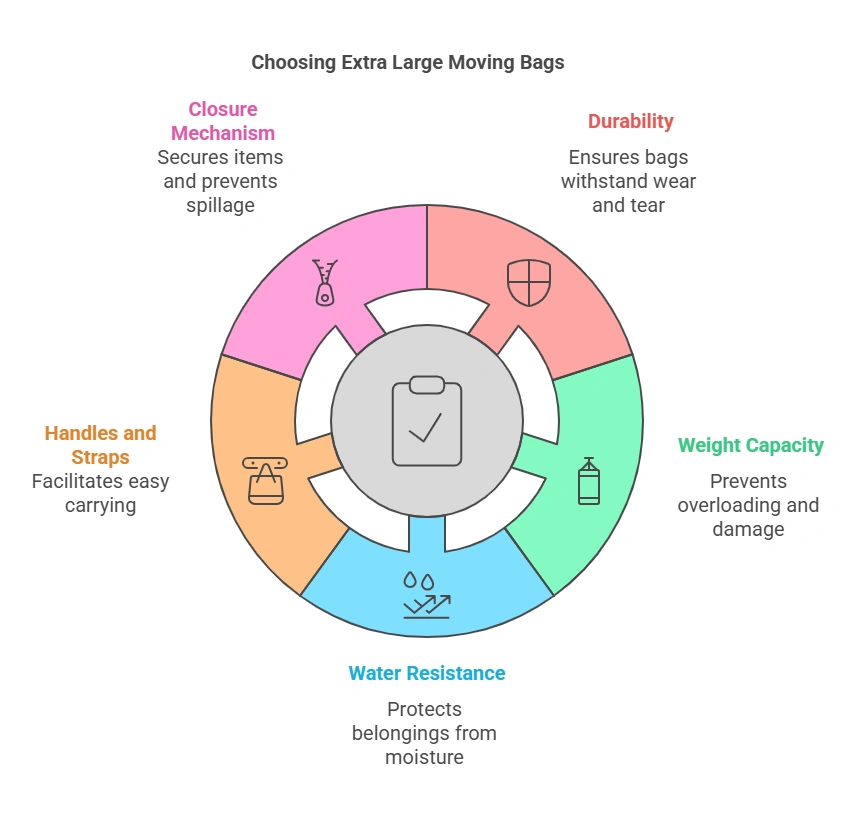
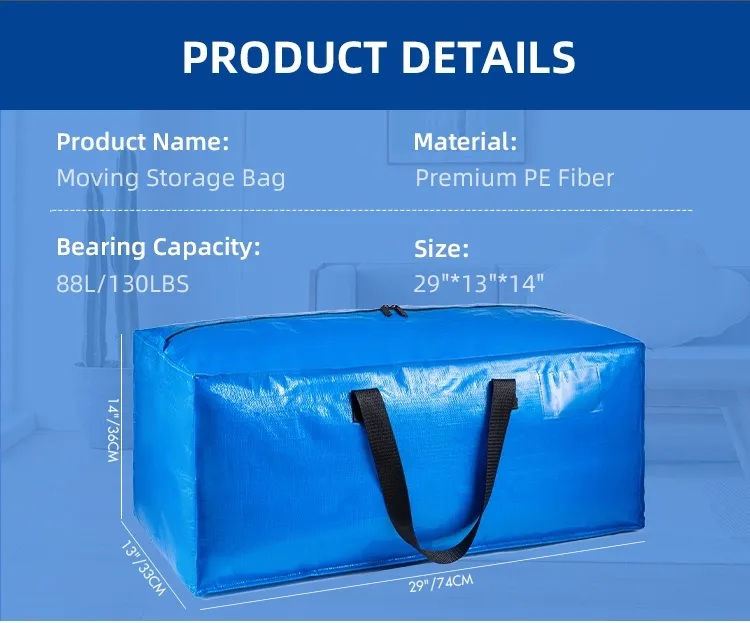
A bag is only “portable” if a human can carry it safely. Our research into Kinetic Moving Loads has led to three mandatory features for any portable bag:
- The Triangle Stitching Rule: The junction where the handle meets the bag body must be reinforced with a double-triangle stitch. This distributes the stress across a larger surface area, preventing the “handle snap” common in cheap competitors.
- Load-Bearing Webbing: High-end portable bags feature webbing that wraps entirely around the bottom. This means the bag “cradles” the weight rather than hanging from the top seams.
- Padded Shoulder Straps: For bags over 60L, ergonomic padding reduces the PSI (pounds per square inch) on the user’s shoulder, preventing muscle strain during long hauls across campus.
4. Specialized Use Cases: Beyond Just Moving
The College Dorm Transition
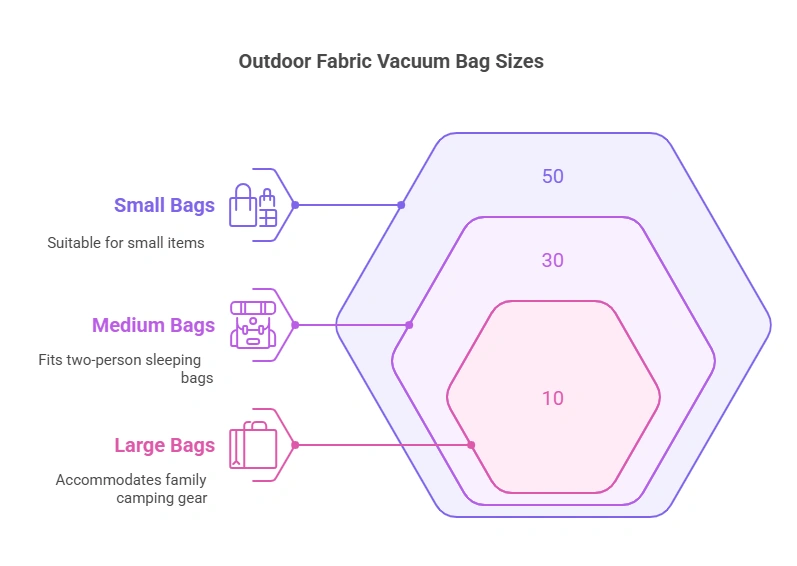
Student life requires modularity. A portable moving bag serves as a suitcase, a laundry bin, and under-bed storage. We recommend a 40L-50L size for this, as it fits perfectly within standard car trunk dimensions (the “Trunk Optimization” factor).
The Minimalist Traveler
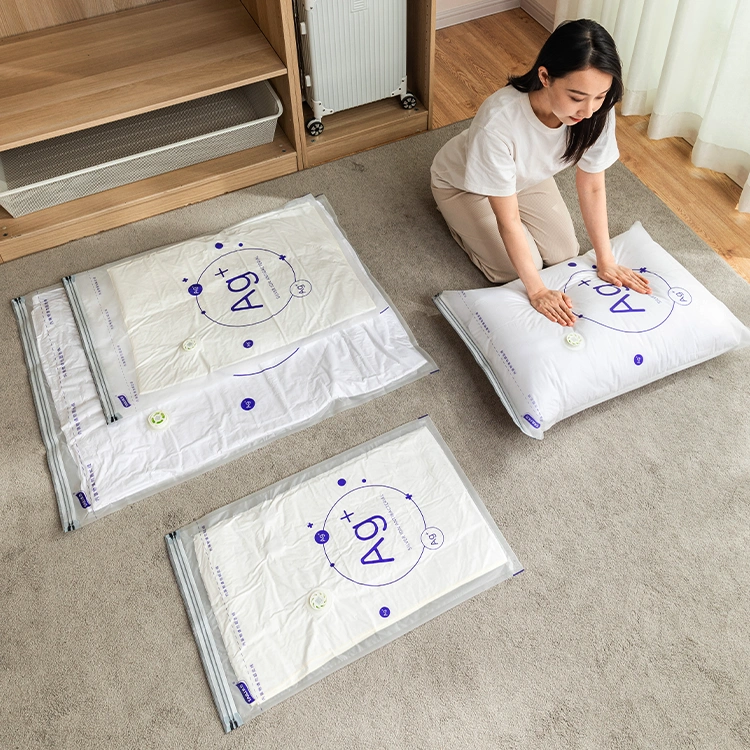
For those moving across states with only what fits in their SUV, the foldability of these bags is the hero. When empty, a TAILI portable bag collapses to less than 2 inches in height, allowing you to store 10 bags in the space of one single cardboard box.
5. Maintenance: Extending the Life of Your Investment
To reach a 10-year lifespan, follow the “Clean-Dry-Store” protocol. Unlike boxes that degrade, a polyester bag can be cleaned with a simple 5% acetic acid solution (vinegar) and water to remove odors and bacteria after long-term storage.
6. Technical Comparison Matrix: Portable vs. Traditional
| Feature | Portable Moving Bag | Plastic Bin | Cardboard Box |
|---|---|---|---|
| Reusable Cycles | 100+ Times | 50+ Times (Brittle with age) | 1-2 Times |
| Foldability | 95% Reduction | None (Bulky) | Moderate (Needs tape removal) |
| Weather Shield | High (PU Coated) | Excellent | Low (Absorbent) |
Choosing the right portable moving bag is an investment in stress-free relocation. By focusing on material density, ergonomic reinforcement, and intentional sizing, you transform a mundane chore into an efficient system.