Content Menu
● Compression Cubes vs. Vacuum Bags: At-a-Glance Comparison
● How Compression Packing Cubes Work
>> Why Cubes Suit Frequent Hotel Changes
>> Where Compression Cubes Fall Short
● How Vacuum Bags for Travel Work
>> Pump-Operated Bags vs. Roll-Up Compression Bags
>> Why Bulky Clothing Benefits Most
● Which Option Actually Saves More Luggage Space?
>> Evaluate the Whole Suitcase
>> Treat Percentage Claims Carefully
● Compression Reduces Volume, Not Clothing Weight
● Choose by Trip Type, Not Product Hype
● A Materials Perspective: What Makes a Reliable Vacuum Bag?
>> Film, Seams, and Valves Form One System
>> Repeated Use Matters More Than One Demonstration
● A Practical Packing Test Before You Travel
>> Step 1: Keep the Clothing List Identical
>> Step 2: Pack the Actual Suitcase
>> Step 3: Record Useful Outcomes
>> Step 4: Repeat Without Home Equipment
>> Step 5: Recheck the Next Day
● Airport Screening, Moisture, and Garment Care
>> Can You Take Vacuum Bags Through Airport Security?
>> Do Vacuum Bags Keep Clothes Dry?
>> Will Either Option Prevent Wrinkles?
● Choose a System You Can Repack Anywhere
>> Are compression cubes worth it for carry-on travel?
>> Are vacuum bags better than packing cubes for winter clothing?
>> Do all travel vacuum bags need a pump?
>> Can vacuum bags help avoid overweight baggage fees?
>> Can I combine compression cubes and vacuum bags?
>> What should I avoid vacuum packing?
Compression cubes are better for travelers who want organized clothing, quick access, and easy repacking. Vacuum bags are better for reducing the volume of bulky, compressible clothing. When comparing compression cubes vs. vacuum bags for travel, the most useful question is not simply “Which gets smaller?” It is “Which makes my entire trip easier?”
My recommendation is to choose around your itinerary, clothing, and return journey. A traveler changing hotels every night has different needs from someone taking winter clothing to one destination.
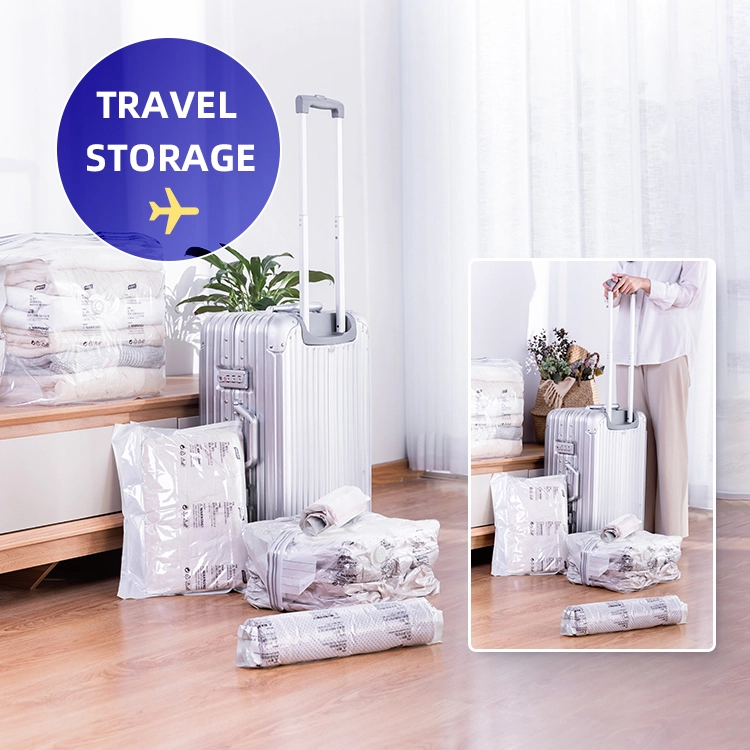
For many trips, the strongest solution is a hybrid: compression cubes for everyday outfits and a travel-sized vacuum bag for suitable bulky layers.
Compression Cubes vs. Vacuum Bags: At-a-Glance Comparison
| Factor | Compression packing cubes | Vacuum bags |
|---|---|---|
| Compression method | A second zipper tightens the packed compartment | Air is removed through a valve or designated outlet |
| Main advantage | Organization and convenient access | Volume reduction for compressible textiles |
| Best clothing | Everyday outfits, underwear, and travel basics | Fleece, sweaters, and suitable bulky layers |
| Repacking | Usually straightforward without equipment | Requires resealing and removing air again |
| Equipment | Generally none | Depends on the design |
| Moisture protection | Depends on fabric and construction; mesh is not a barrier | Depends on film, seals, valve, and product specifications |
| Main limitation | Overfilled cubes can bulge | Leaks or difficult recompression can undermine convenience |
| Baggage weight | Does not reduce clothing weight | Does not reduce clothing weight |
Neither option automatically wins. The better choice solves your actual packing problem without creating a new one.
How Compression Packing Cubes Work
Compression packing cubes usually have two zipper systems. The first closes the clothing compartment. The second reduces its depth by drawing the surrounding fabric together.
Unlike vacuum bags, most cubes do not create an airtight enclosure. Their value comes from combining moderate compression with organization.
Why Cubes Suit Frequent Hotel Changes
A cube can function as a portable drawer. Separate shirts, underwear, sleepwear, and accessories, then remove only the category you need.
This arrangement is particularly useful when you:
- Change accommodation frequently.
- Share a suitcase with another traveler.
- Need to retrieve clothing without unpacking everything.
- Want clean and worn clothing in separate compartments.
For these travelers, a few minutes saved at every stop may matter more than achieving the smallest possible clothing bundle.
Where Compression Cubes Fall Short
A compression zipper cannot make dense clothing disappear. Jeans and tightly woven garments offer less compressible volume than fluffy layers.
Overfilling can also create a rounded bundle rather than a neat rectangle. That shape may leave awkward gaps around shoes, suitcase corners, or wheel housings.
Choose cubes that match your luggage dimensions, not simply the largest set available.
How Vacuum Bags for Travel Work
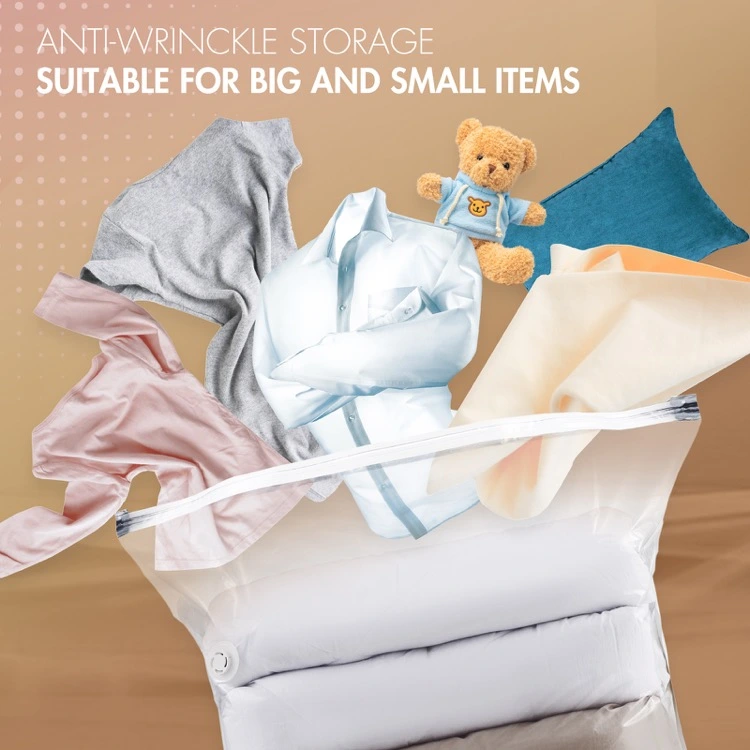
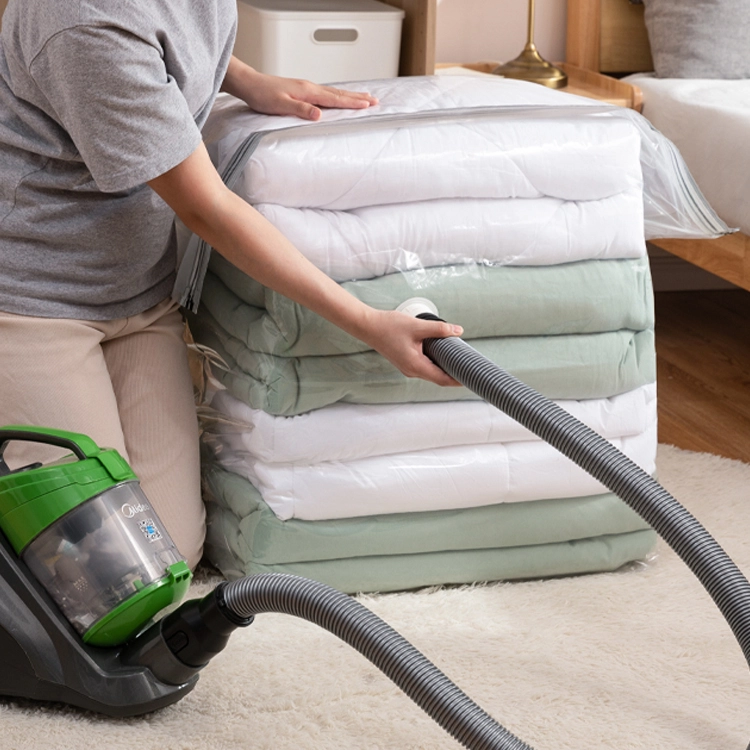
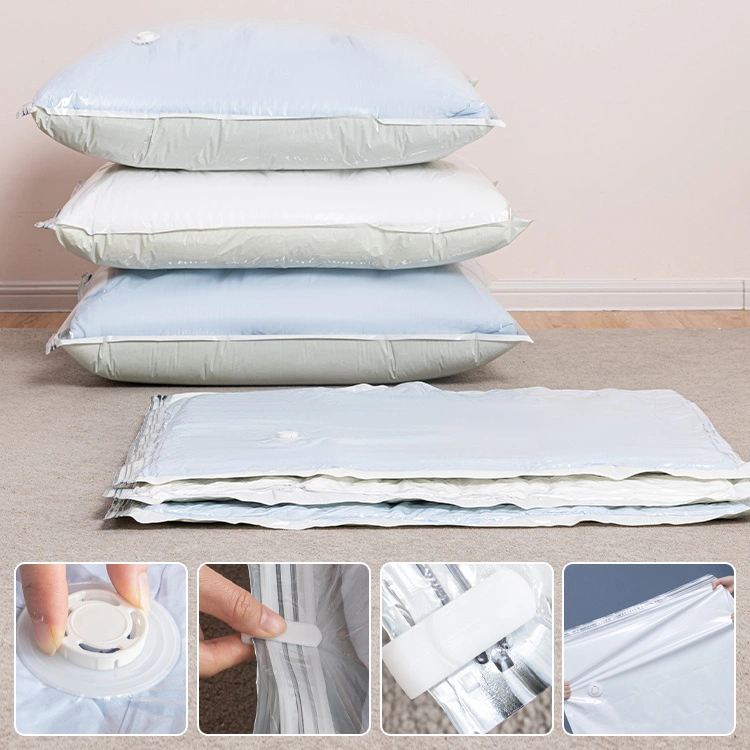
Vacuum bags reduce volume by removing air from around and within compressible clothing. Their performance depends on the contents, bag construction, sealing quality, and air-removal method.
Pump-Operated Bags vs. Roll-Up Compression Bags
These products are often grouped together, but their operation differs.
- Pump-operated bags use a compatible hand pump, electric pump, or vacuum connection.
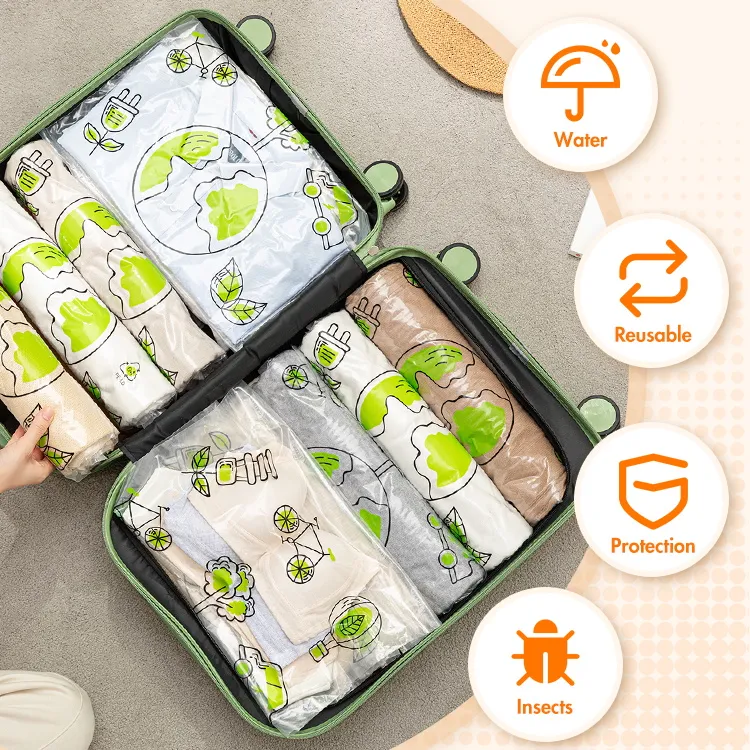
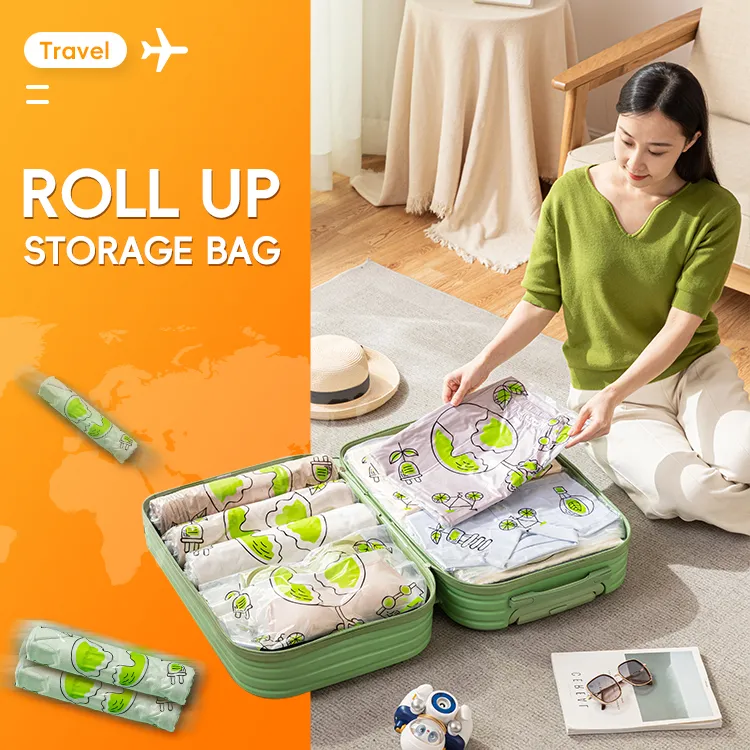
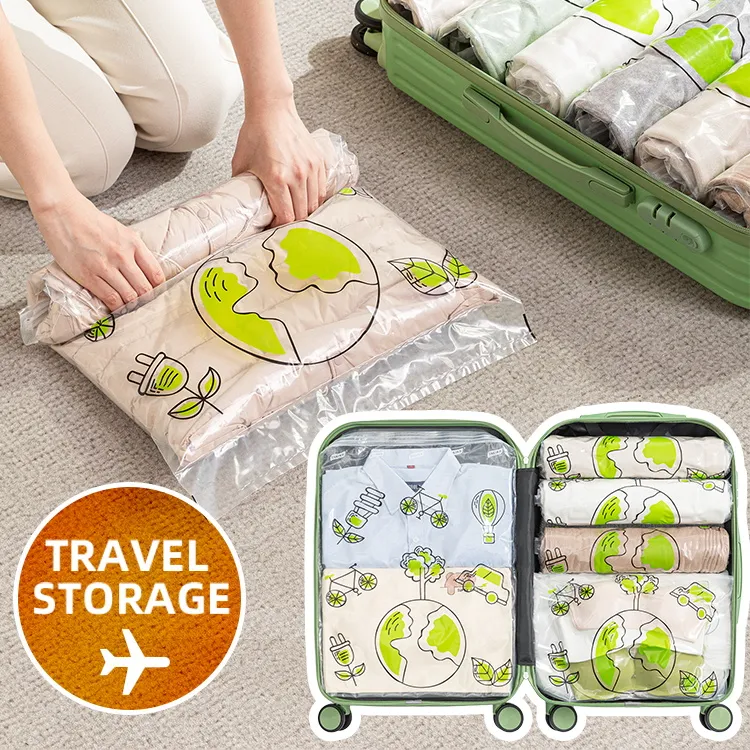
- Roll-up compression bags expel air through a designated outlet when rolled or pressed according to the instructions.
- Vacuum compression organizers may combine a structured shape with an airtight enclosure.
Check the exact design before buying. A bag that works perfectly with your household vacuum may be inconvenient in a hotel.
Why Bulky Clothing Benefits Most
Air-filled clothing structures create opportunities for compression. Fleece and other lofty textiles can occupy substantial suitcase space relative to their weight.
However, compressibility does not establish garment suitability. Follow the clothing manufacturer’s instructions, especially for insulation, delicate finishes, and structured garments.
Travel compression and long-term storage should not be treated as the same task.
Which Option Actually Saves More Luggage Space?
For suitable bulky clothing, vacuum bags generally offer greater potential volume reduction. However, a smaller package does not always produce a better-packed suitcase.
Evaluate the Whole Suitcase
A tightly compressed bundle may become stiff and difficult to position. Meanwhile, several smaller cubes may fit efficiently around other belongings.
The meaningful comparison is:
How much usable room remains after the same clothing, shoes, toiletries, and accessories are packed?
Measure the complete arrangement rather than judging an isolated bag on a table.
Treat Percentage Claims Carefully
Claims such as “up to 80% space savings” describe a particular product or demonstration, not a guaranteed result for every wardrobe.
Before accepting a percentage, ask:
- What clothing was used?
- Was the starting load loosely arranged or already folded?
- Was the organizer included in the measurement?
- Was compression measured immediately or after waiting?
- Did the smaller bundle fit the intended luggage better?
Independent storage-bag testing also shows why product-level evaluation matters: sealing performance, wrinkles, and sustained compression need checking, not just initial shrinkage.
Compression Reduces Volume, Not Clothing Weight
This distinction matters particularly when luggage is close to an airline’s weight allowance.
Removing air does not meaningfully reduce the weight of your clothing. Cubes, bags, and any pump you carry add their own weight.
If compression encourages you to pack extra outfits, the finished suitcase becomes heavier.
For example, fitting another sweater into newly available space does not make that sweater weightless. The volume problem may be solved while the weight problem gets worse.
Before departure:
- Check the baggage rules for your booked fare.
- Weigh the fully packed suitcase.
- Include organizers and compression equipment.
- Leave room for purchases and the return journey.
When weight is the binding constraint, reducing the packing list is more useful than increasing compression.
Choose by Trip Type, Not Product Hype
Carry-On City Breaks
Compression cubes are usually the more convenient starting point. They organize a modest wardrobe and make repeated access straightforward.
A vacuum bag becomes more attractive when one bulky item prevents everything from fitting. Check whether the bag and any equipment justify their added weight and complexity.
Winter Holidays
A hybrid arrangement is worth testing.
Place everyday clothing in cubes and suitable bulky layers in a vacuum bag. Keep an immediately needed jacket accessible rather than sealing it beneath the rest of your luggage.
Business Travel
Prioritize garment condition and access.
Neither system guarantees wrinkle-free shirts, suits, or dresses. Fold carefully, avoid excessive pressure, and reserve an appropriate area for garments that need to retain structure.
Multi-Stop Travel
Cubes generally offer the simpler routine when you unpack and repack repeatedly.
Vacuum bags remain useful for items you rarely open, but every opening creates another sealing and compression task.
A Materials Perspective: What Makes a Reliable Vacuum Bag?
Guangdong Taili Technology Group Co., Ltd.’s supplied company background emphasizes polymer synthesis, precision coating, and surface and interface materials. These capabilities provide a relevant perspective on storage-bag engineering.
However, corporate capabilities should not be treated as proof that every consumer product performs identically. Evaluate the specifications and evidence for the exact model.
Film, Seams, and Valves Form One System
A vacuum bag works only when its components work together.
- Film must withstand intended handling and resist damage.
- Seams must remain intact under packing stress.
- The closure must seal consistently.
- The valve must limit unwanted air entry.
- Any required pump must connect and operate correctly.
TAILI’s storage-bag collection describes high-barrier materials and airtight sealing. For purchasing decisions, verify those features against the selected product’s instructions and specifications.
Repeated Use Matters More Than One Demonstration
A useful purchasing checklist looks beyond how quickly a new bag shrinks:
- Does it remain compressed after waiting?
- Can the closure be operated comfortably?
- Is the valve accessible inside your suitcase?
- Can you recompress it away from home?
- Are care instructions clear?
For commercial buyers, request test conditions, repeat-use information, and model-specific documentation rather than relying on broad performance claims.
A Practical Packing Test Before You Travel
The following is a suggested home comparison, not a published laboratory protocol. It helps identify which system works with your own wardrobe.
Step 1: Keep the Clothing List Identical
Use the same garments for every configuration. Adding more clothes to one setup makes the comparison misleading.
Step 2: Pack the Actual Suitcase
Compare compression cubes, vacuum bags, or a mixed arrangement inside the luggage you will use.
Include shoes and toiletries. These items can change how efficiently compressed clothing fits.
Step 3: Record Useful Outcomes
Check:
- Whether the suitcase closes without force.
- Total packed weight.
- Remaining usable space.
- Time needed to retrieve one item.
- Time needed to restore the arrangement.
- Garment condition after unpacking.
Step 4: Repeat Without Home Equipment
Repack using only what will be available during the trip.
This exposes a common weakness: an excellent outbound setup that cannot be recreated before returning home.
Step 5: Recheck the Next Day
Inspect for lost compression, closure problems, and unacceptable creasing.
A slightly larger arrangement that remains practical may serve you better than a smaller one that requires constant attention.
Airport Screening, Moisture, and Garment Care
Can You Take Vacuum Bags Through Airport Security?
For travel through United States checkpoints, TSA permits vacuum-sealed clothing bags but does not encourage them. Officers may need to open a bag if it triggers an alarm.
Keep essential items accessible and have a realistic way to repack. Other jurisdictions may apply different procedures.
Do Vacuum Bags Keep Clothes Dry?
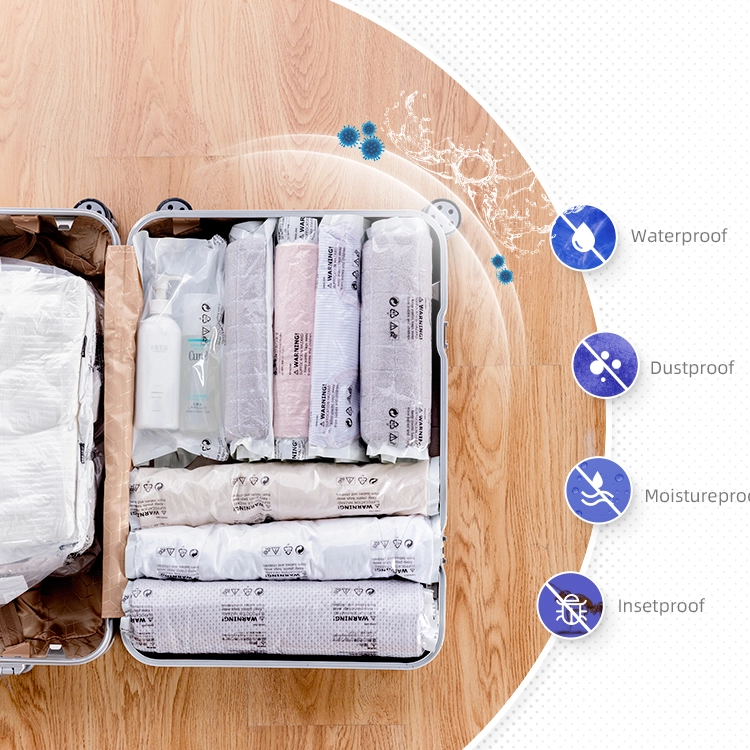
An intact, properly closed bag may provide protection according to its design. However, airtight construction should not automatically be interpreted as a certified waterproof rating.
Do not use an ordinary clothing storage bag as protection for sensitive electronics.
Pack clothing dry. Sealing damp garments does not dry them, and a closed bag can retain the moisture already inside.
Will Either Option Prevent Wrinkles?
No system guarantees wrinkle prevention.
Fabric, folding, pressure, and packing duration all matter. Compress suitable casual clothing more firmly and give delicate or structured garments gentler treatment.
Choose a System You Can Repack Anywhere
Compression cubes favor access and organization. Vacuum bags favor volume reduction for suitable bulky clothing. Your itinerary determines which advantage matters more.
Before buying a full set, test one travel-sized organizer with your actual suitcase and wardrobe. If bulky layers are the problem, explore TAILI’s travel compression options and check the selected model’s dimensions, sealing method, and equipment requirements before ordering.
Frequently Asked Questions
Are compression cubes worth it for carry-on travel?
Yes, when organization and repeated access are the main priorities. Their value is less clear if the organizer adds unnecessary weight or does not fit your suitcase efficiently.
Are vacuum bags better than packing cubes for winter clothing?
They can be better for reducing the volume of suitable bulky layers. Check garment-care guidance and make sure you can reseal and recompress the bag during your trip.
Do all travel vacuum bags need a pump?
No. Some require compatible equipment, while roll-up compression bags expel air through a designated outlet. Confirm the mechanism before purchasing.
Can vacuum bags help avoid overweight baggage fees?
Not directly. They reduce volume, not clothing weight. Packing additional items into the saved space can increase the likelihood of exceeding your allowance.
Can I combine compression cubes and vacuum bags?
Yes. Use cubes for frequently accessed clothing and a vacuum bag for suitable bulky items. Separate placement is often more practical than nesting one organizer inside another.
What should I avoid vacuum packing?
Be cautious with structured tailoring, delicate fabrics, sharp embellishments, and items whose care instructions discourage compression. Avoid prolonged compression of insulated garments unless their manufacturer permits it.
References
1. Transportation Security Administration. “Vacuum-sealed bags.” Official United States screening guidance explaining that vacuum-sealed clothing bags are permitted but may require opening for inspection. https://www.tsa.gov/travel/security-screening/whatcanibring/items/vacuum-sealed-bags-0
2. Transportation Security Administration. “Belts, Clothes and Shoes.” Official recommendation to pack belongings in neat layers to support screening. https://www.tsa.gov/travel/security-screening/whatcanibring/items/belts-clothes-and-shoes
3. The Spruce. “After Testing Vacuum Storage Bags, These 6 Are Our All-Time Favorites.” Independent testing covering compression, sealing, longer-term performance, and garment condition; the published evaluation describes testing 18 bag types. Results are product-specific, not universal guarantees. https://www.thespruce.com/the-best-vacuum-storage-bags-5224944
4. TAILI. “Vacuum Storage Bags.” Manufacturer collection information describing high-barrier materials and airtight sealing. These are manufacturer statements rather than independent comparative findings. https://tailistore.com/collections/vacuum-storage-bags
5. Generation Nomad. “Compression Packing Cubes Tips & Frequently Asked Questions.” Manufacturer explanation of compression-zipper operation, packing practices, and the distinction between volume reduction and baggage weight. https://www.generation-nomad.com/blogs/nomad-blog/compression-packing-cubes-tips-frequently-asked-questions
Hot Tags: Wholesale Compression Packing Cubes, Travel Vacuum Bags Wholesale, Vacuum Storage Bags Manufacturer, Compression Packing Cubes Manufacturer, Travel Compression Bags Supplier, OEM Vacuum Storage Bags, Custom Compression Packing Cubes, Private Label Vacuum Bags, Reusable Vacuum Storage Bags, Travel Vacuum Bags With Pump