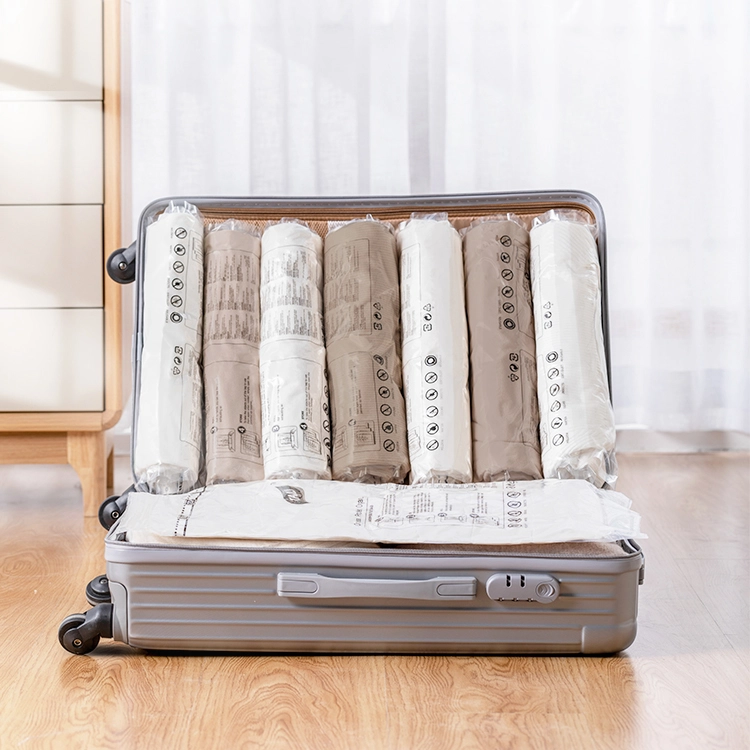
Content Menu
● Do Compression Bags Wrinkle Clothes?
● Why Clothes Wrinkle in Vacuum Storage Bags
>> Fabric Type
>> Storage Time
● Which Clothes Are Safe to Put in Compression Bags?
● How to Use Compression Bags Without Wrinkling Clothes
>> 1. Wash and Dry Everything Completely
>> 2. Smooth Clothes Before Folding
>> 3. Choose Rolling or Folding Based on the Garment
>> 4. Use Tissue Paper for Delicate Fabrics
>> 6. Keep Heavy and Delicate Items Separate
>> 7. Remove Clothing Soon After Arrival
● Compression Bags for Travel vs. Long-Term Storage
>> Compression Bags for Travel
>> Compression Bags for Seasonal Storage
● How Long Can Clothes Stay in Compression Bags?
● Can Vacuum Storage Bags Damage Clothes?
● How to Remove Wrinkles After Using Compression Bags
>> Iron According to the Care Label
>> Use a Wrinkle-Release Spray
● Expert Packing Checklist for Smoother Clothing
● The Best Way to Use Compression Bags
● FAQs About Compression Bags and Wrinkles
>> 1. Do compression bags permanently wrinkle clothes?
>> 2. Are vacuum bags good for storing winter clothes?
>> 3. Should I roll or fold clothes in compression bags?
>> 4. Can I store silk clothes in vacuum bags?
>> 5. Do vacuum storage bags damage down jackets?
>> 6. How can I prevent clothes from smelling in vacuum bags?
>> 7. Can I put shoes in compression storage bags with clothes?
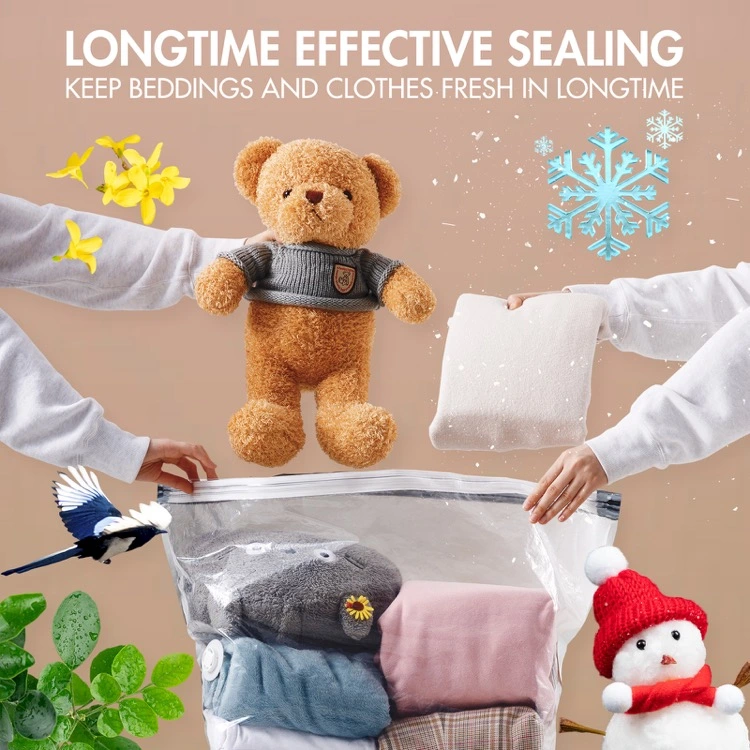
Yes, clothes can get wrinkled in compression bags—but the result depends far more on fabric type, folding method, compression level, and storage time than on the bag itself. When used correctly, compression bags are highly effective for saving storage or luggage space while keeping many everyday garments clean, compact, and protected.
For bulky items such as sweaters, fleece, puffer jackets, towels, bedding, and casual knitwear, vacuum compression storage bags are usually a practical choice. However, delicate or sharply tailored items—such as linen shirts, silk blouses, formal dresses, wool suits, and structured jackets—require more careful preparation to avoid deep creases.
At Taili Technology, our approach to material innovation is built around reliable protection, controlled compression, and practical everyday use. With advanced nanomaterial, polymer, and functional film capabilities, Taili develops storage and protection solutions designed to help users organize their homes, travel more efficiently, and protect valuable textiles with confidence.
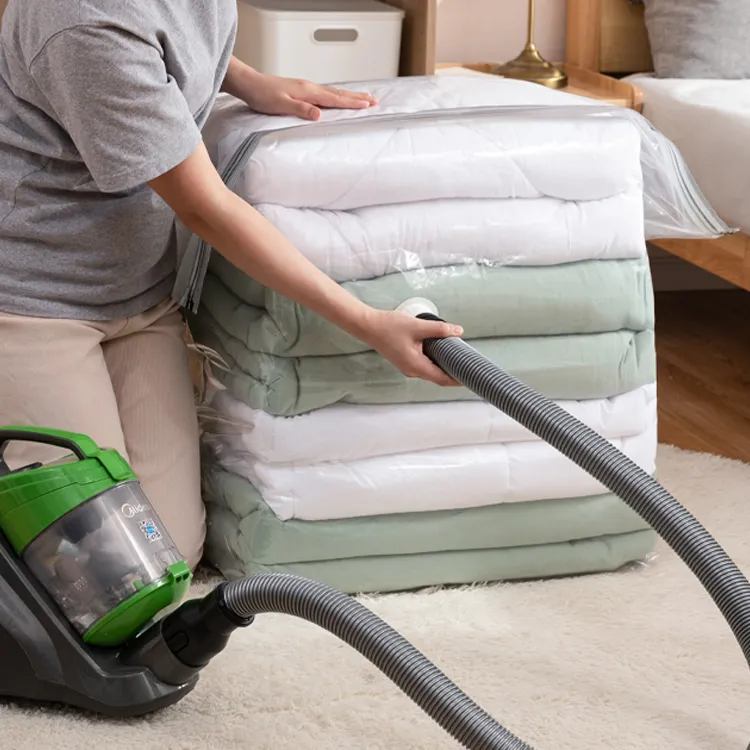
Do Compression Bags Wrinkle Clothes?
Compression bags can wrinkle clothes because they remove air and hold fabric under pressure. When a garment is folded, rolled, or layered inside a sealed bag, the folds may become more noticeable after the clothing has remained compressed for a period of time.
However, compression does not automatically ruin clothing. In many cases, wrinkles are light, temporary, and easy to remove after unpacking. The greatest risk comes from poor packing habits rather than from compression alone.
For example, a cotton T-shirt that is smoothed, rolled neatly, and compressed for a weekend trip may come out looking nearly the same as before. In contrast, a linen shirt folded sharply at the sleeves and stored under heavy pressure for several months is much more likely to develop visible, stubborn creases.
The key point is simple:
Compression bags save space effectively, but wrinkle prevention begins before the bag is sealed.
Why Clothes Wrinkle in Vacuum Storage Bags
Wrinkles occur when fabric fibers are bent, folded, and held in one position. Compression bags intensify this effect because air is removed, which presses layers of clothing closer together.
Several factors influence whether your clothes will come out smooth or creased.
Fabric Type
Some fabrics recover easily after compression. Others hold creases much more strongly.
Natural fibers such as linen and cotton are often more prone to wrinkling because their fibers can retain fold lines. Silk may also crease easily and can be more sensitive to pressure, friction, moisture, and heat. Structured garments may lose shape when compressed too tightly.
Stretchy knits, polyester blends, fleece, and many performance fabrics usually recover better because they have more flexibility and resilience.
Folding Method
A poorly folded garment creates pressure points. Once the bag is vacuum sealed, those pressure points may become visible crease lines.
For example, if a shirt sleeve is bent sharply across the chest, the fold may become more noticeable during compression. If the shirt is folded along its natural seams and smoothed before packing, it is more likely to recover well after unpacking.
Compression Level
More compression is not always better. Over-compressing clothing can create stronger fold lines and may put unnecessary stress on seams, buttons, zippers, padding, and decorative details.
A bag should be compact but not packed to the point where items are crushed into a hard, uneven block.
Storage Time
Time matters. Clothing stored for a short trip, seasonal move, or temporary closet reorganization may only develop minor wrinkles. Clothing stored under heavy compression for many months may develop deeper creases, especially if the items are wrinkle-prone.
For this reason, compression bags are especially useful for space-saving storage of bulky, durable textiles. Delicate occasionwear should generally be removed and aired out sooner.
Which Clothes Are Safe to Put in Compression Bags?
Not every garment should be packed the same way. The following table can help you decide which items are suitable for vacuum compression storage.
| Clothing Type | Compression Bag Suitability | Wrinkle Risk | Recommended Packing Method |
|---|---|---|---|
| T-shirts | Excellent | Low to medium | Smooth and roll neatly |
| Sweatshirts | Excellent | Low | Fold loosely or roll |
| Knitwear | Good | Low to medium | Fold gently and avoid sharp creases |
| Fleece jackets | Excellent | Low | Fold or roll |
| Puffer jackets | Excellent | Low | Fold loosely; avoid forcing zippers |
| Jeans | Excellent | Low | Fold along existing seams |
| Athletic wear | Excellent | Low | Roll neatly |
| Cotton shirts | Moderate | Medium to high | Fold carefully with tissue between layers |
| Linen clothing | Limited | High | Avoid long-term compression |
| Silk clothing | Limited | High | Use tissue paper and light compression only |
| Wool suits | Not recommended | High | Store on hangers or in garment bags |
| Blazers and structured jackets | Not recommended | High | Avoid strong compression |
| Formal dresses | Not recommended | High | Use a garment bag where possible |
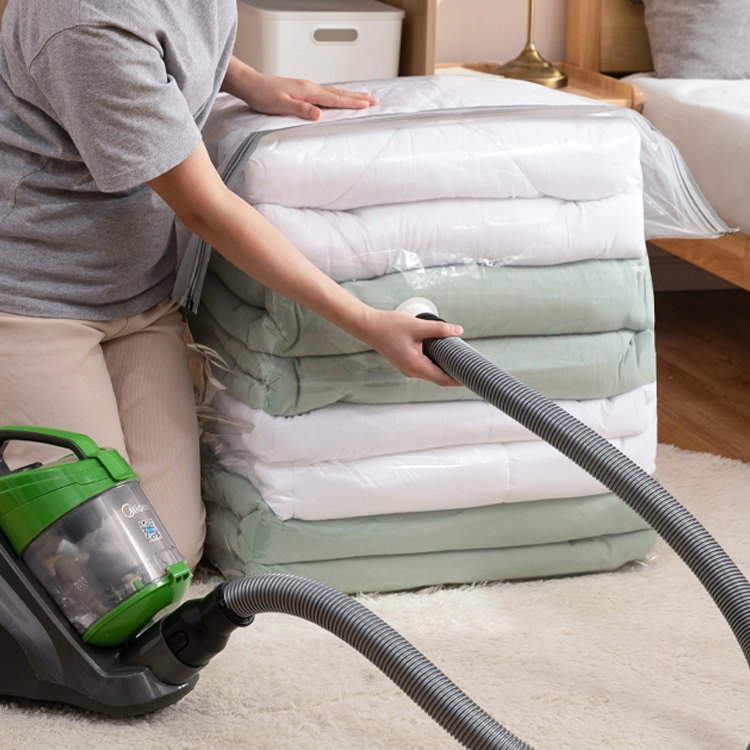
Bulky and resilient items are usually the best candidates for compression bags. Think duvets, blankets, winter coats, towels, spare bedding, casual clothing, and soft household textiles.
How to Use Compression Bags Without Wrinkling Clothes
The best way to prevent wrinkles is to prepare clothing before vacuum sealing it. A few extra minutes during packing can make a noticeable difference when you unpack.
1. Wash and Dry Everything Completely
Only pack clothing that is fully clean and dry. Dirt, body oils, moisture, and odors can become trapped inside a sealed storage environment.
Even slight dampness can create unpleasant smells and may affect fabric freshness over time. Make sure garments are completely dry before placing them into a vacuum storage bag.
2. Smooth Clothes Before Folding
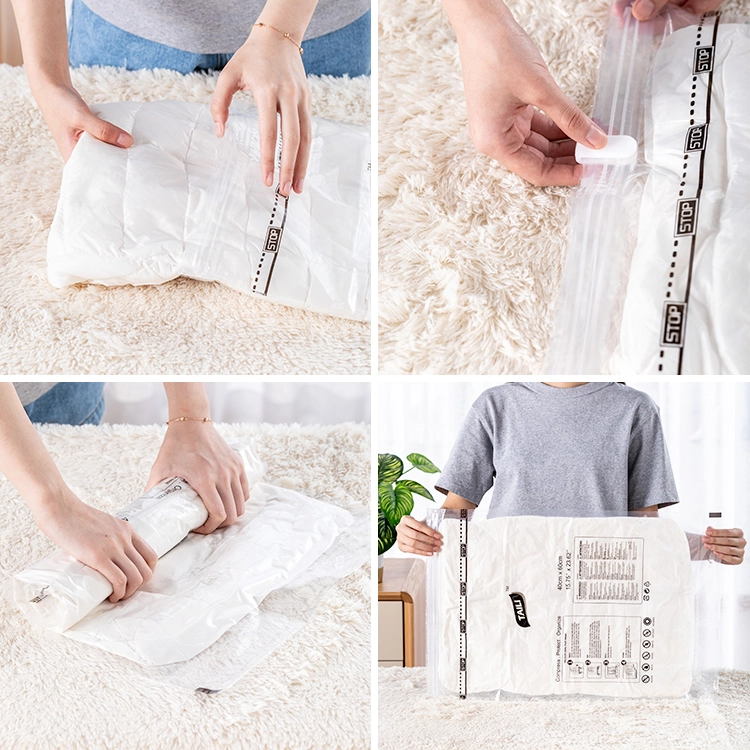
Lay each item flat on a clean surface. Use your hands to smooth the front, back, sleeves, collars, and seams.
This helps remove small wrinkles before they become compressed. Do not place crumpled clothing directly into the bag, because the vacuum process will lock the existing wrinkles into place.
3. Choose Rolling or Folding Based on the Garment
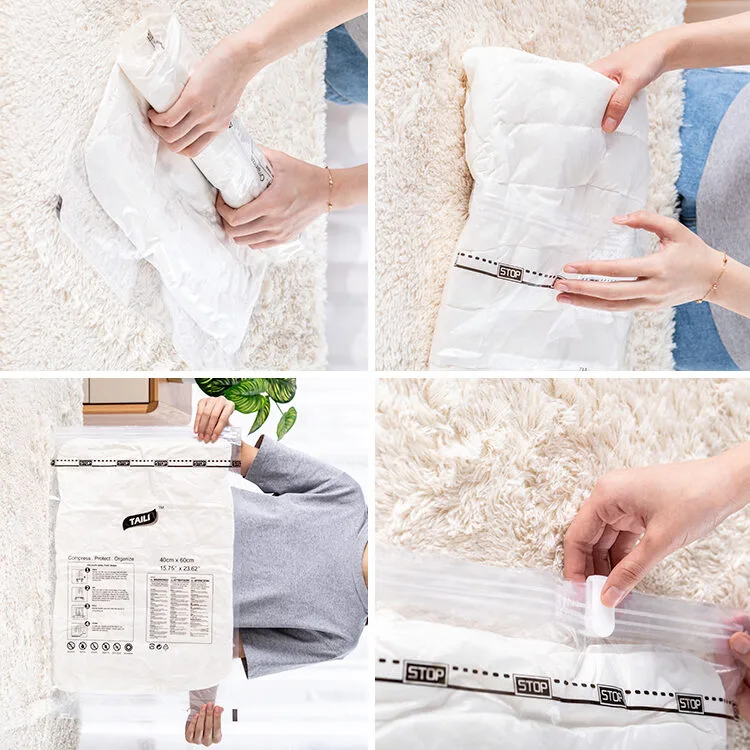
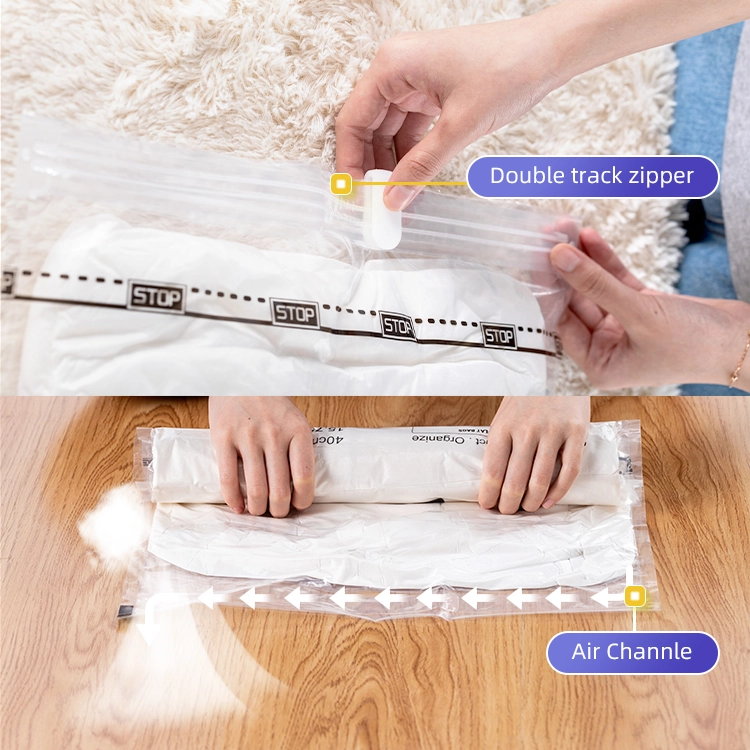
Rolling works well for soft clothing, casual apparel, T-shirts, leggings, pajamas, and athletic wear. It can reduce large fold lines and make better use of bag space.
Folding works better for button-down shirts, trousers, sweaters, and garments with defined structure. Fold along natural seams rather than creating unnecessary sharp angles.
A useful rule is:
- Roll soft and flexible items
- Fold structured items carefully
- Avoid compressing delicate items for long periods
4. Use Tissue Paper for Delicate Fabrics
For silk, linen, fine cotton, dress shirts, and delicate blouses, place acid-free tissue paper between folds. Tissue creates a small protective layer that reduces friction and helps prevent harsh crease lines.
This technique is also useful for clothing with embroidery, prints, embellishments, or fragile decorative surfaces.
5. Do Not Overfill the Bag
Overfilling is one of the most common mistakes. When too many items are forced into one bag, the contents become uneven and compressed under greater pressure.
Leave enough room for the clothing to settle naturally. A properly filled bag should compress smoothly, without excessive strain on the zipper seal or valve.
6. Keep Heavy and Delicate Items Separate
Do not place heavy jeans, shoes, or thick towels on top of delicate shirts and dresses in the same bag. Heavy items can create uneven pressure and cause unwanted wrinkles.
Pack by fabric weight and garment type:
- Keep bulky coats with other bulky textiles.
- Store T-shirts, pajamas, and sportswear together.
- Pack delicate garments separately.
- Avoid mixing structured clothing with heavy bedding or towels.
7. Remove Clothing Soon After Arrival
For travel, unpack and hang wrinkle-prone items as soon as you arrive. For seasonal storage, consider checking stored clothing periodically and allowing delicate garments to air out.
This simple step can reduce the chance that light creases become more deeply set.
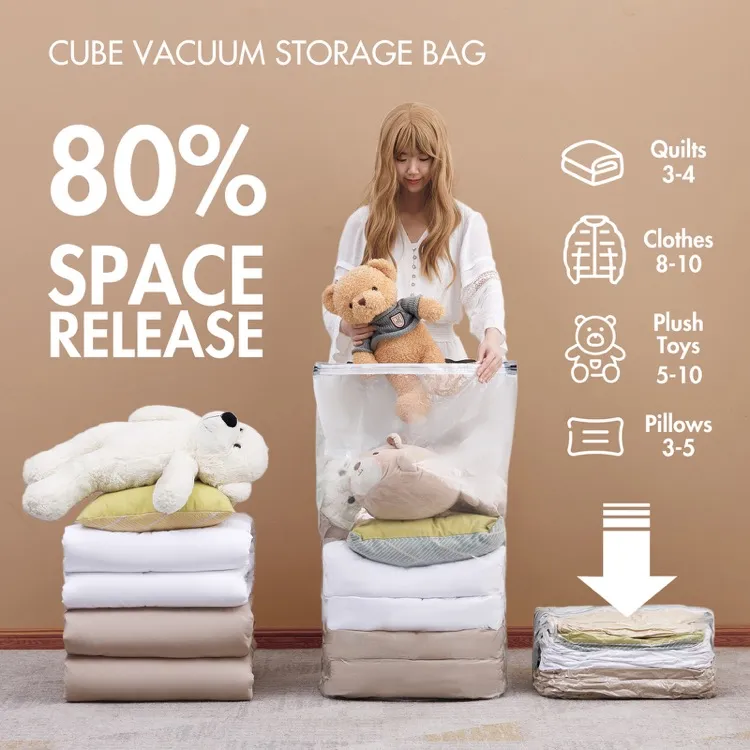
Compression Bags for Travel vs. Long-Term Storage
Compression bags can serve different purposes, and your packing method should change based on how long you plan to keep clothing compressed.
Compression Bags for Travel
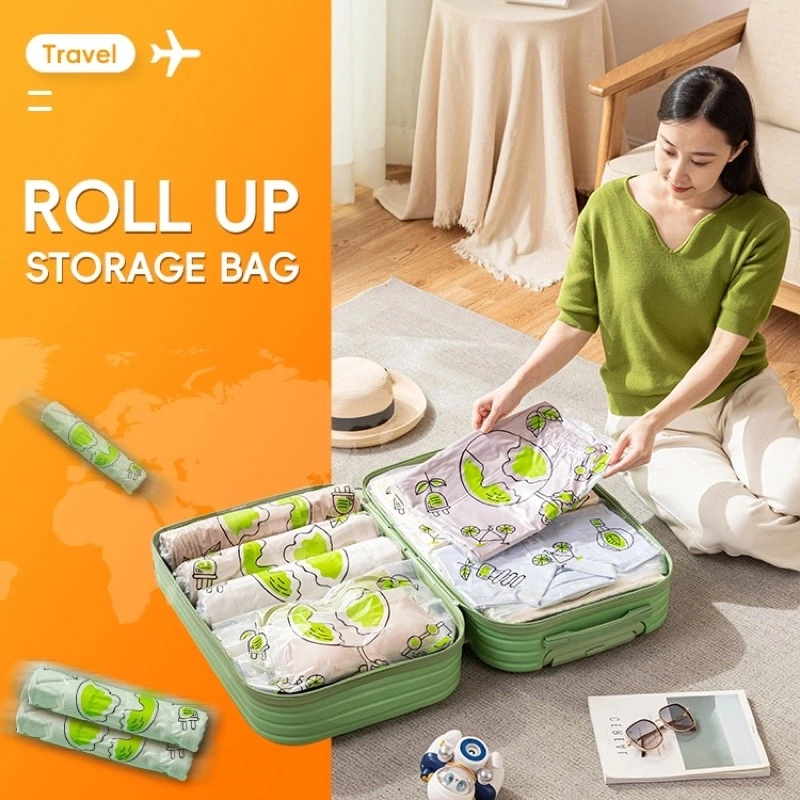
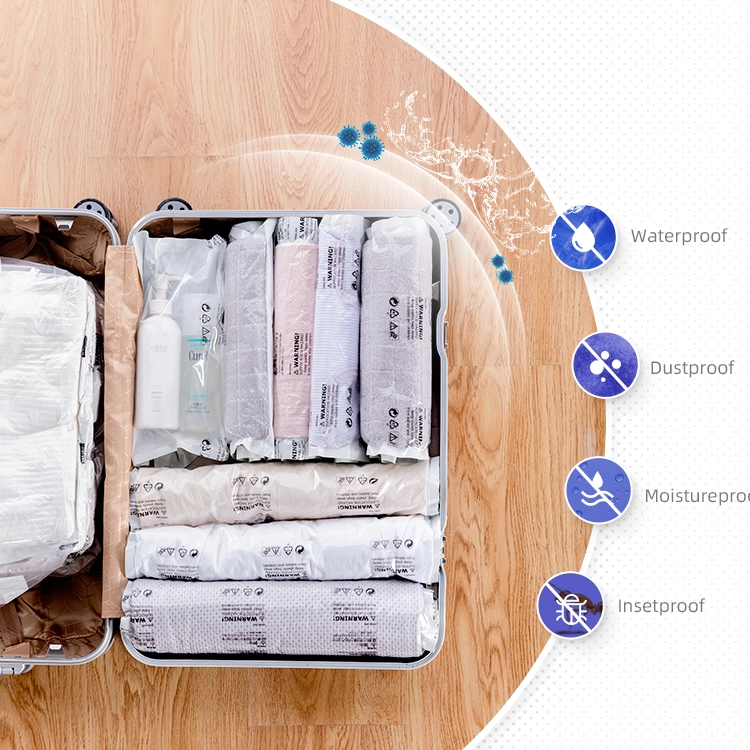
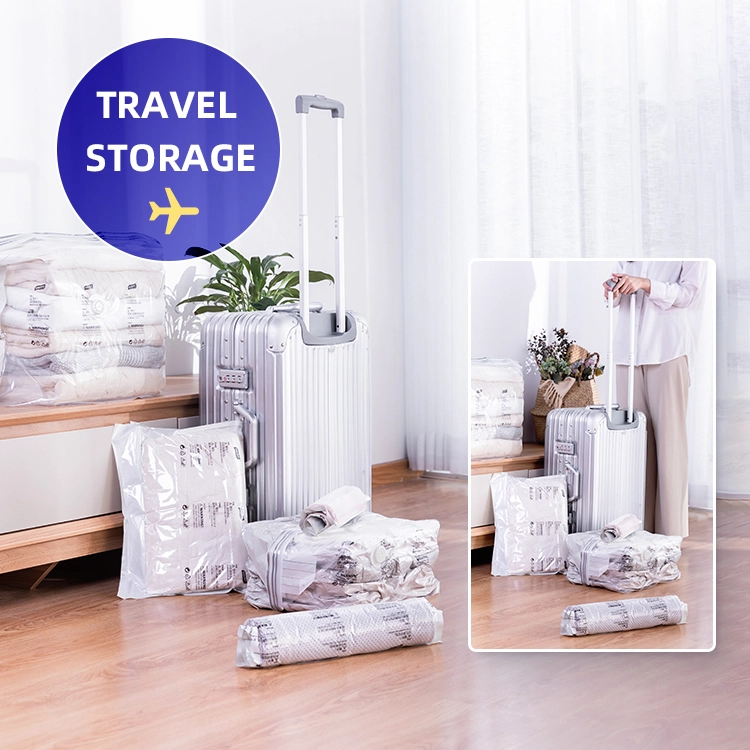
Travel compression bags are especially helpful when suitcase space is limited. They can reduce the volume of soft clothing and allow travelers to pack more efficiently.
For travel, prioritize garments that are naturally wrinkle-resistant:
- T-shirts
- Knitwear
- Activewear
- Jeans
- Casual trousers
- Pajamas
- Lightweight jackets
- Travel towels
- Underwear and socks
If you need to pack business clothing or formalwear, keep those pieces outside the compression bag whenever possible. A garment folder, packing cube, or carry-on garment bag may be a better choice.
Compression Bags for Seasonal Storage
For long-term storage, vacuum bags are ideal for large, soft items that occupy significant closet space.
Good storage candidates include:
- Winter bedding
- Comforters and duvets
- Pillows
- Blankets
- Down jackets
- Bulky sweaters
- Guest linens
- Seasonal outerwear
- Children’s clothing between sizes
For valuable garments, antiques, formalwear, leather, fur, and tailored wool items, consider storage methods that preserve shape and allow appropriate airflow.
How Long Can Clothes Stay in Compression Bags?
There is no single storage period that works for every fabric. The appropriate length depends on the garment, its material, its condition, and the level of compression.
As a practical guideline:
| Storage Situation | Suggested Approach |
|---|---|
| Weekend or short business trip | Compression is usually suitable for most casual clothes |
| One to four weeks | Suitable for durable clothing and travel textiles |
| Seasonal storage | Best for bedding, outerwear, towels, and resilient garments |
| Several months | Check bags periodically and avoid delicate, structured apparel |
| Long-term archival storage | Avoid full compression for valuable or fragile garments |
For items you care about most, a balanced approach works best. Use compression storage to reclaim space, but avoid treating every item in your wardrobe as if it has the same storage needs.
Can Vacuum Storage Bags Damage Clothes?
Vacuum storage bags are not inherently harmful to clothing, but incorrect use can create problems.
Potential issues include:
- Deep wrinkles in linen, silk, cotton, and formalwear
- Flattened padding in some down-filled items
- Distorted shoulder shapes in blazers and jackets
- Stress on buttons, zippers, or decorative details
- Trapped odor if clothes are packed while damp or unwashed
- Fabric damage if delicate items are repeatedly compressed and unpacked
The solution is not to avoid compression bags completely. Instead, use them selectively and pack according to the item’s material and purpose.
Think of compression storage as a tool, not a universal storage method.
A winter quilt benefits from compact storage. A tailored suit benefits from hanging space. A stack of gym clothes can be rolled and compressed. A silk evening dress deserves lighter handling.
How to Remove Wrinkles After Using Compression Bags
Most wrinkles caused by compression can be reduced or removed with basic fabric-care methods.
Hang the Garment First
Remove clothing from the bag and hang it immediately. Give the fabric time to relax naturally, especially knitwear, polyester blends, and casual cotton garments.
For light wrinkles, several hours on a hanger may be enough.
Use Steam Carefully
Steam is one of the most effective ways to release wrinkles. A garment steamer can relax fabric fibers without requiring direct pressure from an iron.
If you do not have a steamer, hang the garment in a bathroom while running a hot shower. The steam may help loosen minor wrinkles, although it is less precise than a dedicated steamer.
Iron According to the Care Label
For deeper creases, use an iron at the temperature recommended on the garment’s care label. Use a pressing cloth for delicate materials, dark fabrics, silk, wool, or garments with printed designs.
Never assume that a high temperature will solve wrinkles faster. Excess heat can damage fibers, leave shine marks, or affect delicate finishes.
Use a Wrinkle-Release Spray
A wrinkle-release spray can be helpful for travel or quick touch-ups. Lightly mist the garment, gently smooth the fabric, and allow it to dry while hanging.
This works best for minor creases rather than deeply compressed folds.
Expert Packing Checklist for Smoother Clothing
Before sealing a compression bag, use this checklist:
- Make sure every item is clean and fully dry.
- Separate delicate clothing from heavy or bulky items.
- Smooth every garment before folding or rolling.
- Fold along natural seams to reduce sharp crease lines.
- Roll soft, flexible items such as T-shirts and sportswear.
- Add tissue paper between folds of linen, silk, or dress shirts.
- Do not overfill the bag.
- Apply moderate compression instead of forcing maximum compression.
- Store bags in a cool, dry, clean place.
- Hang wrinkle-prone clothing immediately after unpacking.
The Best Way to Use Compression Bags
Compression bags are an excellent solution for people who need more room at home, during travel, or while organizing seasonal textiles. They work best when you match the storage method to the material.
Use them confidently for soft, bulky, casual, and resilient items. Use more caution with delicate, formal, highly structured, or wrinkle-prone clothing.
Taili Technology applies advanced material innovation to practical protection and storage solutions. From high-performance functional films to daily household organization products, our focus remains the same: creating reliable materials and systems that help protect what matters.
Ready to create more space without sacrificing clothing care? Choose a high-quality compression storage solution, pack smarter, and give every garment the protection it needs.
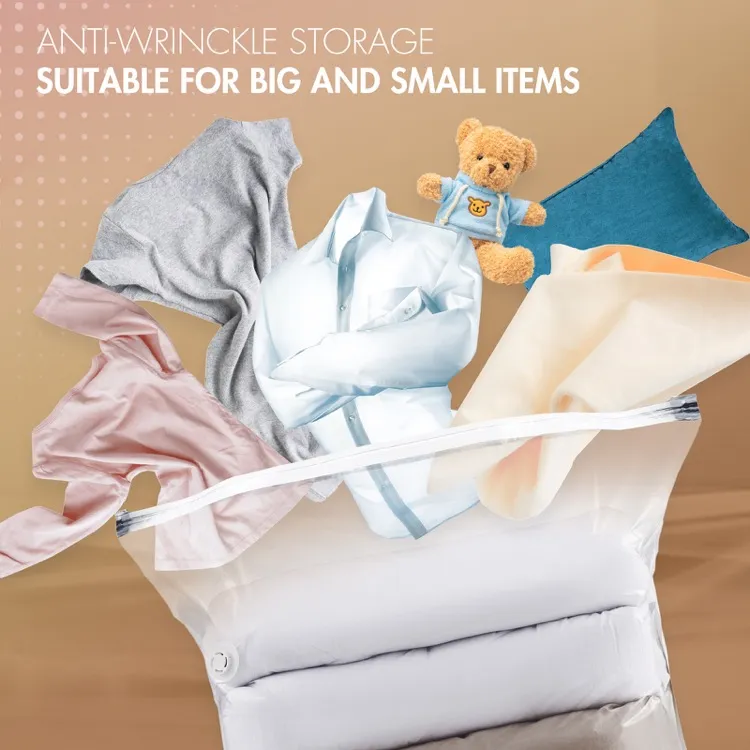
FAQs About Compression Bags and Wrinkles
1. Do compression bags permanently wrinkle clothes?
Compression bags can create deep creases, especially in linen, cotton, silk, and structured garments stored for extended periods. However, many wrinkles are temporary and can be reduced through hanging, steaming, or careful ironing.
2. Are vacuum bags good for storing winter clothes?
Yes. Vacuum storage bags are particularly useful for winter clothing such as puffer jackets, fleece, knitwear, scarves, gloves, and bulky outerwear. Make sure the clothing is clean and completely dry before sealing.
3. Should I roll or fold clothes in compression bags?
Roll soft, casual, and flexible garments such as T-shirts, leggings, pajamas, and activewear. Fold shirts, trousers, sweaters, and structured garments carefully along their natural seams.
4. Can I store silk clothes in vacuum bags?
Silk can be stored with light compression for short periods, but it is not ideal for long-term heavy compression. Use tissue paper between folds and avoid placing heavy items on top.
5. Do vacuum storage bags damage down jackets?
Vacuum bags can be useful for temporary storage of down jackets, but prolonged heavy compression may flatten insulation. After unpacking, hang the jacket and allow time for the filling to regain loft. Follow the garment manufacturer’s care instructions.
6. How can I prevent clothes from smelling in vacuum bags?
Wash and dry clothing completely before storage. Avoid sealing damp textiles. Store the bags in a clean, cool, dry place and consider adding a clean, fabric-safe fragrance sheet only if it is appropriate for the material.
7. Can I put shoes in compression storage bags with clothes?
It is better not to. Shoes can transfer dirt, odor, and pressure to clothing. Store shoes separately and avoid placing hard objects in the same compression bag as delicate garments.
References
1. Taili Technology – “Company Introduction and Aerospace Product Development History” – Company introduction and history of Taili’s aerospace product development. https://en.zs-taili.com/home/page/index/1
2. China Manned Space Agency – “Official Website” – Official website of the China Manned Space Agency. https://en.cmse.gov.cn/
3. The Spruce – “Vacuum Storage Bags for Clothes, Bedding, and Household Storage” – Reviews of vacuum storage bags for clothes, bedding, and household storage. https://www.thespruce.com/the-best-vacuum-storage-bags-5224944
4. Travel + Leisure – “Compression Packing Cubes and Travel Packing Tests” – Testing of compression packing cubes with travel packing guidance. https://www.travelandleisure.com/travel-tips/packing-tips/best-compression-packing-cubes
5. Gizmo Cleaning – “Does Vacuum Packing Clothes Cause Creases?” – Discussion of whether vacuum packing clothes causes creasing. https://gizmocleaning.com/does-vacuum-packing-clothes-crease-them/
6. Cube Compress – “Compression Packing Cubes, Wrinkles, and Fabric Care” – Guidance on compression packing cubes, wrinkles, and fabric care. https://cubecompress.com/compression-packing-cubes-wrinkles-and-fabric-care/
7. Shield Storage – “Do Vacuum Seal Storage Bags Ruin Clothes?” – Discussion of whether vacuum seal storage bags can damage clothes. https://www.shieldstorage.com/blog/do-vacuum-seal-storage-bags-ruin-clothes
Hot Tags: Vacuum Storage Bags, Compression Storage Bags, Vacuum Seal Bags, Clothing Storage Bags, Space Saving Storage Bags, Vacuum Bags For Clothes, Travel Compression Bags, Vacuum Packing Bags, Bedding Storage Bags, Custom Vacuum Storage Bags