Content Menu
● The Main Downsides of Using Vacuum Bags
>> 1. Vacuum Compression Can Damage Delicate Fabrics
>> 2. Moisture Can Become Trapped Inside the Bag
>> 3. Deep Creases May Be Difficult to Remove
>> 4. Bags Can Leak and Lose Their Vacuum Seal
>> 5. Overpacking Can Cause Tears and Valve Damage
● Which Items Should Not Be Stored in Vacuum Bags?
● How Long Can You Keep Clothes in Vacuum Bags?
● Practical Steps for Using Vacuum Bags Safely
>> Step 1: Clean Every Item First
>> Step 2: Dry Items Completely
>> Step 3: Remove Sharp Objects
>> Step 4: Avoid Maximum Compression
>> Step 5: Store in a Stable Environment
>> Step 6: Inspect the Bag Regularly
● What Makes a High-Quality Vacuum Bag?
● Final Thoughts: Use Vacuum Bags Selectively
>> 1. Do vacuum bags ruin clothes?
>> 2. Can clothes get moldy in vacuum bags?
>> 3. Are vacuum storage bags good for comforters?
>> 4. Why does my vacuum storage bag keep filling with air?
>> 5. How long should clothes stay in vacuum bags?
>> 6. Can vacuum bags be reused?
>> 7. Are vacuum bags safe for food?
Vacuum bags can be an effective way to reduce the storage volume of clothing, bedding, soft furnishings, and other bulky household items. However, the downsides of using vacuum bags are often overlooked: excessive compression can damage fibers, trapped moisture can create odor or mildew problems, seals can fail, and some items simply should not be vacuum-packed for long periods.
The right question is not whether vacuum storage bags are good or bad. It is which items they are suitable for, how long they should be stored, and how reliably the bag protects them under real household conditions. When used with clean, completely dry, resilient items and a dependable sealing system, vacuum bags offer valuable space savings. When used carelessly, they may create more work, product loss, and frustration than they prevent.
Why Vacuum Bags Are Popular
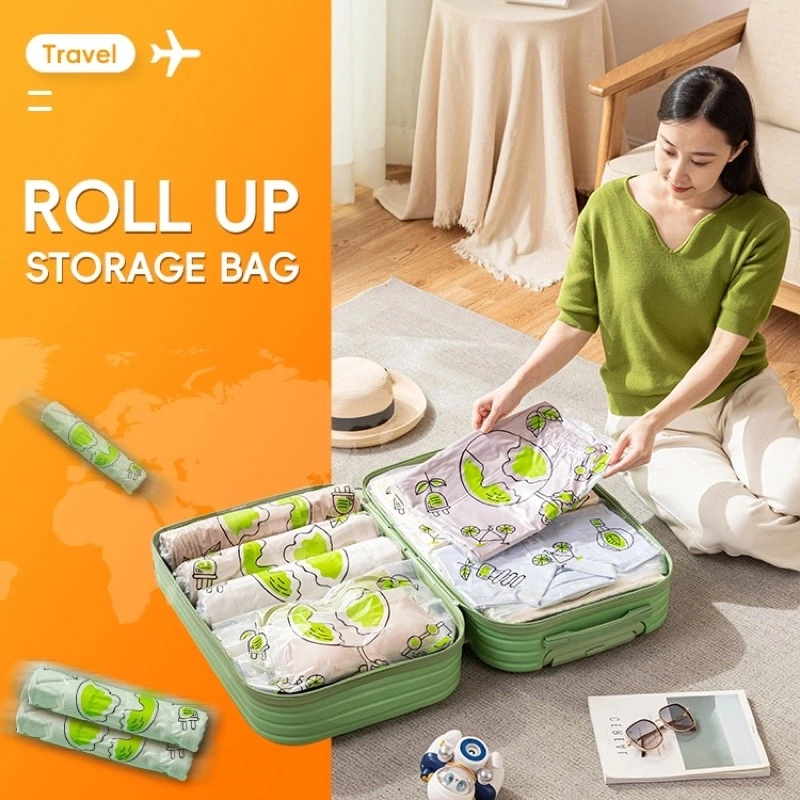
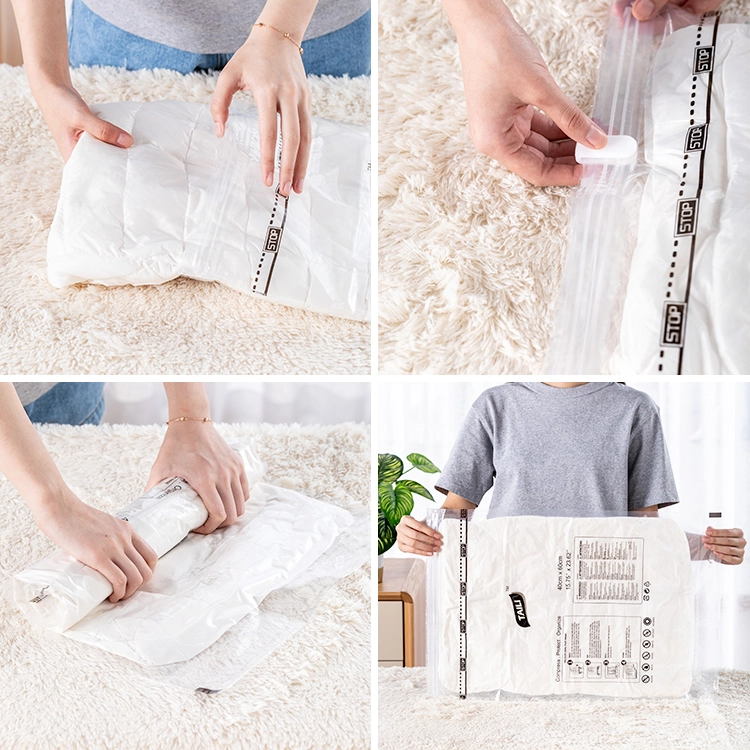
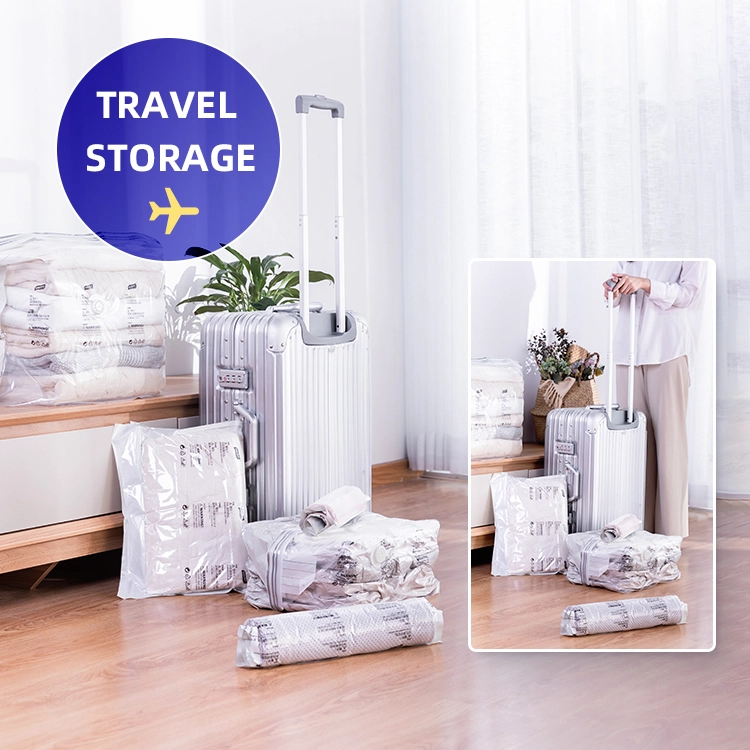
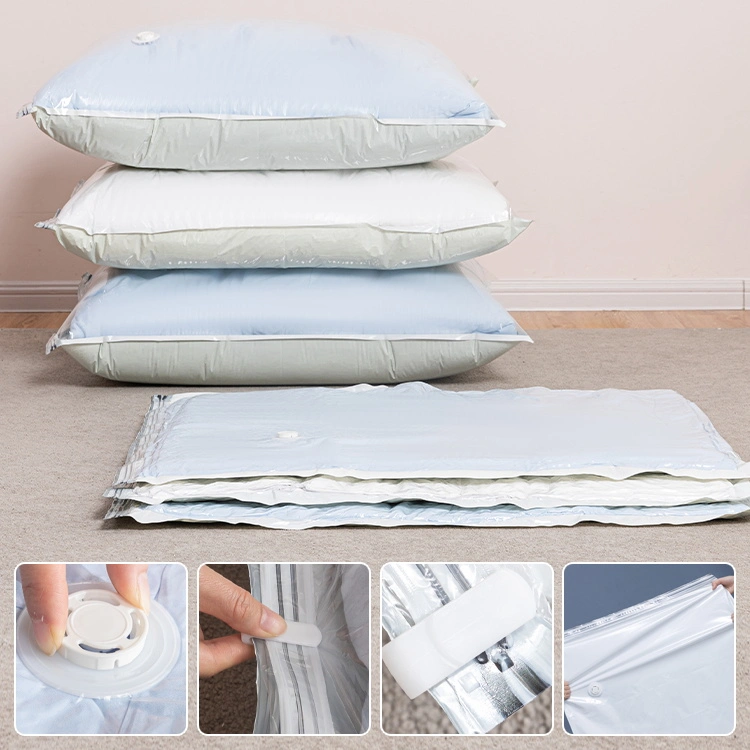
Vacuum storage bags remove a large portion of the air surrounding stored items. This reduces the volume of flexible products such as duvets, blankets, seasonal clothing, pillows, stuffed toys, towels, and travel textiles.
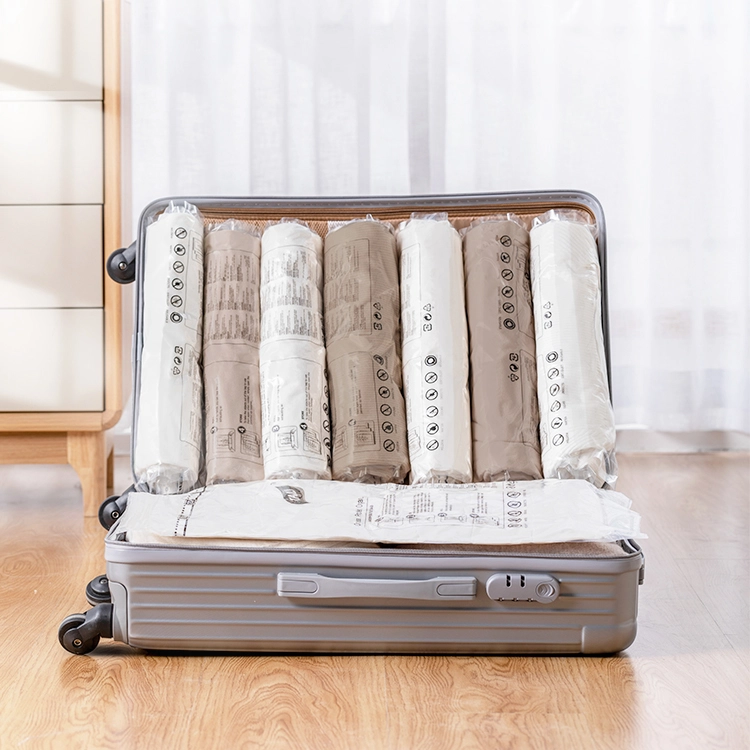
For households with limited closet space, small apartments, frequent seasonal changes, or travel requirements, the appeal is obvious. A bulky winter duvet or a pile of sweaters can take up a fraction of its original volume after compression.
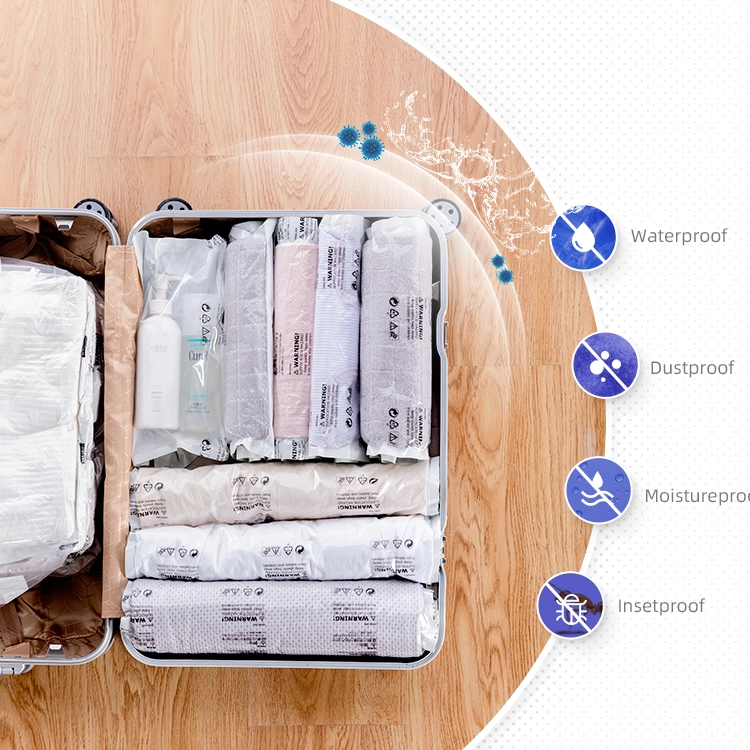
High-quality vacuum bags can also provide a protective barrier against common storage problems, including:
- Dust accumulation
- Insect exposure
- Odor transfer
- Loose debris
- Short-term moisture exposure
- Clutter caused by oversized bedding and clothing
However, compression is not the same as preservation. A bag can reduce volume while still being unsuitable for the item inside it.
This distinction matters for consumers, retailers, product designers, and suppliers. A vacuum bag must balance strong air removal with material durability, reliable closure performance, and appropriate consumer-use guidance.
The Main Downsides of Using Vacuum Bags
1. Vacuum Compression Can Damage Delicate Fabrics
The most widely reported downside of vacuum bags is compression damage. Vacuum sealing removes air and forces textiles into a dense, compact mass. That pressure can flatten insulation, distort fibers, and leave deep creases.
This is especially relevant for materials that rely on loft, structure, or natural resilience.
Items that may be negatively affected include:
- Down-filled jackets and comforters
- Feather pillows
- Wool sweaters
- Cashmere garments
- Silk clothing
- Structured coats
- Leather goods
- Formalwear
- Quilted bedding
- Foam-filled pillows
- Items with shoulder padding or shaped construction
For example, a down comforter works because thousands of fine down clusters trap air. If that item remains heavily compressed for months, it may not fully regain its original loft. The result can be reduced warmth, uneven filling distribution, and a less comfortable product.
Similarly, wool and cashmere fibers may become deeply creased or misshapen. Although steaming, gentle washing, and airing may help restore some garments, recovery is not guaranteed.
Best practice: Reserve vacuum storage for robust, flexible products such as cotton bedding, polyester clothing, towels, synthetic blankets, and casual seasonal garments. Avoid using it as a long-term solution for premium natural fibers or structured apparel.
2. Moisture Can Become Trapped Inside the Bag
A vacuum bag can keep outside moisture away only if the item inside is fully dry before sealing. This is where many users make a costly mistake.
If a garment, comforter, towel, or blanket contains residual moisture from washing, humid weather, incomplete drying, or everyday use, vacuum sealing can trap that moisture inside. In a closed environment, this can lead to:
- Musty odors
- Mildew
- Mold growth
- Fabric discoloration
- Persistent odor retention
- Potential fiber deterioration
A sealed bag does not magically remove moisture already present in the textile. In fact, compression may make the issue harder to notice because the item is packed away for weeks or months.
This risk is especially high when users store vacuum-packed products in humid locations such as garages, basements, attics, balconies, storage lockers, or spaces without stable temperature control.
Before packing, the item should be clean and completely dry. “Feels dry” is not always enough for thick bedding or padded garments. Dense materials can retain moisture in internal layers even when the outer surface feels dry.
3. Deep Creases May Be Difficult to Remove
Vacuum storage bags can create intense fold lines. The more tightly an item is compressed, the more likely it is to develop deep creasing.
This can be inconvenient for everyday clothing, but it may be a serious problem for premium apparel, business clothing, dresses, curtains, and decorative textiles. A garment stored for several months may need steaming, ironing, reshaping, or dry cleaning before it can be worn again.
For household users, this creates a hidden cost: the bag saves storage space, but it may add time and care requirements later.
For travel, the issue is even more practical. A vacuum-packed shirt or dress may fit neatly in a suitcase, but it could emerge wrinkled and require access to an iron or steamer at the destination.
To reduce creasing:
- Fold items loosely instead of creating sharp folds.
- Do not overfill the bag.
- Avoid compressing delicate garments to the smallest possible size.
- Use packing cubes or breathable garment bags for wrinkle-sensitive clothing.
- Open the bag and allow textiles to recover before use.
4. Bags Can Leak and Lose Their Vacuum Seal
A vacuum bag is only as useful as its seal. Even a small leak at the zipper, valve, bag edge, or puncture point can allow air to re-enter.
When this happens, users may find that a neatly compressed bag has expanded overnight or after several weeks. This is one of the most common product-performance complaints in the category.
Seal failure can result from:
- Thin or low-quality bag film
- Weak zipper tracks
- Poor valve construction
- Dust or fibers caught in the closure
- Overfilling
- Excessive stretching at the seams
- Sharp edges from zippers, hangers, buttons, or hard accessories
- Repeated reuse without inspection
- Improper valve-cap closure
A leaking bag does not necessarily mean the entire product is unusable. In some cases, the zipper was not fully closed, the valve cap was not secured, or a small fabric fiber blocked the seal. But repeated seal failure is a clear sign that the product design, material quality, or usage method needs improvement.
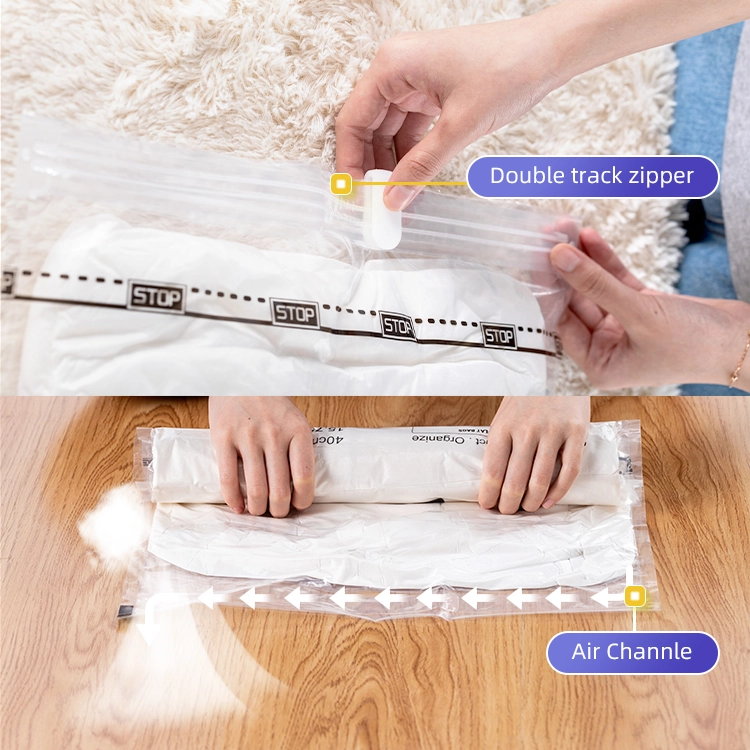
Expert buying tip: Look for a thick, puncture-resistant multilayer bag, a wide double-zip or triple-seal closure, and a robust valve system. The product should also include clear instructions for checking the closure before vacuuming.
5. Overpacking Can Cause Tears and Valve Damage
Consumers often assume that a larger bag should hold as much as physically possible. This is not true.
Overpacking places extreme tension on the zipper seal, seams, and valve zone. Once air is removed, the material experiences additional stress because the bag contracts tightly around the contents.
Overfilled bags are more likely to:
- Tear at the corners
- Split along heat-sealed edges
- Leak from the zipper track
- Distort the valve area
- Become difficult to stack
- Damage the stored items through excessive pressure
A bag should have enough space for the zipper to close smoothly without force. If the closure requires pulling, tugging, or pressing down aggressively on the contents, the bag is too full.
For manufacturers and private-label buyers, this highlights an important product-development point: bag dimensions, material thickness, zipper width, and valve placement must match the expected load scenario. A product designed only for ideal conditions may disappoint real consumers who pack bulky duvets, thick coats, or irregularly shaped bedding.
Which Items Should Not Be Stored in Vacuum Bags?
Not every household product benefits from air removal. The following table provides a practical guide.
| Item Type | Vacuum Bag Suitability | Main Concern | Better Alternative |
|---|---|---|---|
| Cotton bedding | Good for short- to medium-term storage | Creases and retained moisture | Vacuum bag with dry storage conditions |
| Polyester blankets | Generally suitable | Overcompression if overfilled | Vacuum bag |
| Towels | Suitable | Must be completely dry | Vacuum bag or sealed storage bin |
| Down comforters | Use cautiously | Loss of loft and uneven filling | Breathable storage bag |
| Feather pillows | Not ideal for long-term storage | Flattening and shape loss | Cotton storage bag |
| Wool sweaters | Use cautiously | Fiber compression and creasing | Breathable fabric storage box |
| Cashmere garments | Not recommended for extended storage | Creases, shape distortion, moisture risk | Folded breathable garment storage |
| Silk clothing | Not recommended | Creasing and fiber stress | Breathable garment bag |
| Leather goods | Not recommended | Moisture trapping and shape damage | Dust bag with airflow |
| Structured suits | Not recommended | Shoulder and construction distortion | Hanging garment bag |
| Stuffed toys | Usually suitable | Shape compression | Vacuum bag for temporary storage |
| Foam pillows | Usually unsuitable | Permanent deformation | Breathable storage cover |
The key principle is simple: the more an item depends on air, shape, loft, or delicate fibers, the less appropriate vacuum compression becomes.
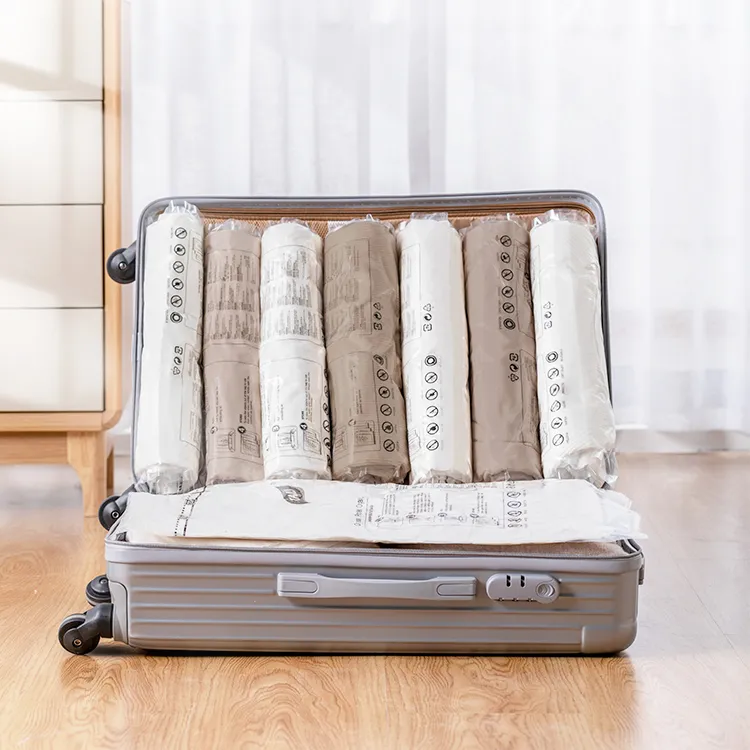
How Long Can You Keep Clothes in Vacuum Bags?
There is no single storage period that works for every item, climate, bag type, or product category. However, vacuum bags are generally best treated as a seasonal or temporary storage solution, rather than permanent packaging.
For many household uses, a practical approach is to inspect vacuum-packed items every few months. This allows users to identify slow leaks, moisture problems, odor development, or damage before the issue becomes severe.
A reasonable storage approach is:
- Short-term: A few days to several weeks for travel, moving, or temporary organization.
- Seasonal: Several months for winter coats, summer clothing, spare bedding, and guest-room textiles.
- Long-term: Use caution, especially with natural fibers, down, feathers, leather, silk, wool, and shaped garments.
For valuable clothing and premium bedding, remove the items periodically, air them out, inspect them, and repack only if they remain clean and completely dry.
Practical Steps for Using Vacuum Bags Safely
Using vacuum bags correctly can greatly reduce the chance of damage, odor, leaks, and disappointment.
Step 1: Clean Every Item First
Never vacuum-pack clothing or bedding that has been worn, stained, or exposed to body oils, food, smoke, fragrance, or pet hair.
Invisible residues can become more difficult to remove after long storage. Clean items also reduce the chance of unpleasant odors and insect attraction.
Step 2: Dry Items Completely
This is the most important step. Thick quilts, towels, jackets, and blankets may need extra drying time.
If possible, let freshly laundered items air out in a dry indoor environment before sealing. Avoid packing items immediately after they come out of a dryer if they still feel warm or slightly humid.
Step 3: Remove Sharp Objects
Check pockets and remove accessories that may puncture the bag.
Potential hazards include:
- Zippers
- Belt buckles
- Hard buttons
- Jewelry
- Hangers
- Shoe edges
- Metal hooks
- Loose tools or hardware
For garments with sharp components, fold the item so those areas face inward and do not press directly against the bag wall.
Step 4: Avoid Maximum Compression
More compression is not always better. Leave a margin around the closure and avoid forcing oversized items into a small bag.
A moderate vacuum level may preserve the item better than an extreme vacuum, particularly for padded products and delicate textiles.
Step 5: Store in a Stable Environment
Keep vacuum-packed goods away from excessive heat, direct sunlight, standing water, high humidity, and sharp objects.
A climate-controlled closet, cabinet, or under-bed storage area is usually better than an attic, garage, or damp basement.
Step 6: Inspect the Bag Regularly
Check whether the bag is holding its vacuum. If it reinflates, inspect:
- The zipper seal
- The valve cap
- The bag corners
- The seams
- Any visible punctures
- Whether fibers are trapped in the closure
Regular inspection is particularly important for long-term seasonal storage.
What Makes a High-Quality Vacuum Bag?
For consumers, product buyers, and retailers, a reliable vacuum bag should be evaluated as a protective storage system rather than a simple plastic pouch.
Key quality indicators include:
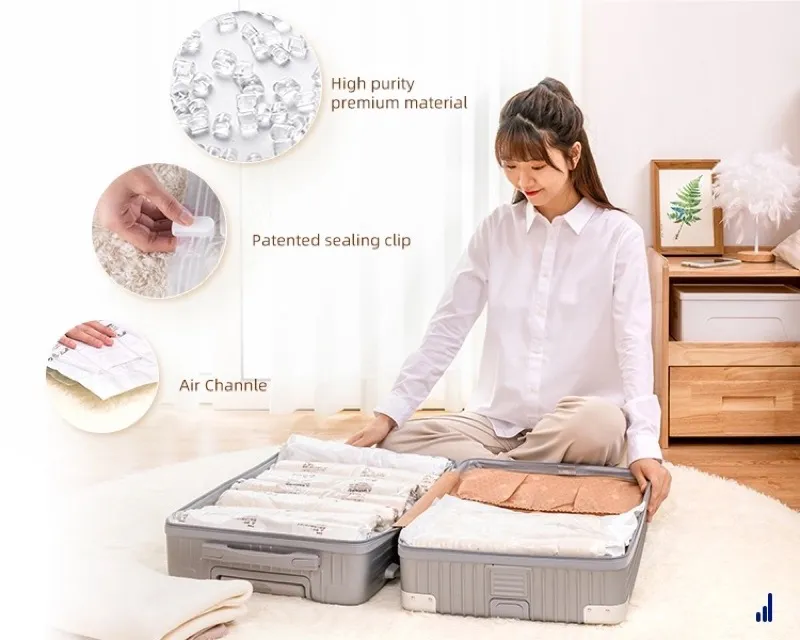
- Multilayer barrier film that resists tearing and air leakage
- Strong sealing technology with a wide, easy-to-close zipper
- Reliable vacuum valve that works with common household vacuum cleaners or hand pumps
- Clear fill lines to discourage overpacking
- Transparent material for easy item identification
- Reinforced seams for bulky bedding and clothing
- Reusable construction that maintains performance after multiple uses
- Clear care instructions explaining which items are suitable and unsuitable
For commercial buyers, consistency matters as much as individual bag performance. Suppliers should be able to support stable material specifications, sealing performance, durability testing, customized sizing, printing requirements, and quality-control processes.
Taili Technology applies advanced material capabilities across functional films, safety protection materials, and surface and interface materials. With deep expertise in nanoparticle synthesis, polymer synthesis, and precision coating, the company supports the development of higher-performance material solutions for multiple sectors. Its full-industry-chain capabilities—from material research through end-product manufacturing—provide a strong foundation for dependable, application-oriented product development.
For vacuum storage solutions, that type of material expertise can matter in practical ways: stronger films, more reliable sealing, improved puncture resistance, and better protection performance for everyday household storage needs.
Final Thoughts: Use Vacuum Bags Selectively
Vacuum bags are not inherently harmful. They are highly useful when matched with the right products and used with realistic expectations.
They work best for clean, dry, resilient, non-delicate items that need temporary or seasonal volume reduction. They are less suitable for expensive natural fibers, structured garments, down-filled products, leather, and anything that must retain loft or shape.
The biggest downsides of using vacuum bags—compression damage, trapped moisture, wrinkles, leaks, and overpacking—are largely preventable. Choose a well-designed bag, prepare items carefully, avoid over-compression, and inspect stored goods regularly.
For brands, retailers, and sourcing professionals, the opportunity is not simply to sell space-saving bags. It is to provide a more reliable storage solution with strong materials, clear instructions, and product designs that perform under real household conditions.
Looking for dependable vacuum storage bag solutions? Choose products designed with durable film materials, secure sealing systems, and practical storage guidance to protect both your space and your belongings.
Frequently Asked Questions
1. Do vacuum bags ruin clothes?
Vacuum bags can damage certain clothing if garments are compressed for too long or if they contain delicate fibers, padding, structured shoulders, down, feathers, wool, silk, or cashmere. Durable cotton and synthetic clothing are generally more suitable when clean and fully dry.
2. Can clothes get moldy in vacuum bags?
Yes. Mold or mildew can develop if clothing or bedding is sealed while damp. Vacuum bags reduce outside air and moisture exposure, but they cannot remove moisture already trapped in the fabric. Always dry items completely before storage.
3. Are vacuum storage bags good for comforters?
They can be useful for synthetic comforters and bedding that need seasonal storage. However, down and feather comforters may lose loft or develop uneven filling after extended compression. A breathable storage bag is often a safer choice for premium down bedding.
4. Why does my vacuum storage bag keep filling with air?
The bag may have a weak seal, an improperly closed zipper, a loose valve cap, trapped fabric fibers, a puncture, or excessive stress caused by overpacking. Check the closure and valve carefully, then inspect seams and corners for damage.
5. How long should clothes stay in vacuum bags?
Vacuum bags are most suitable for temporary or seasonal storage. Inspect items every few months, especially if they are natural fibers, padded products, or valuable garments. Avoid leaving delicate or shape-sensitive items compressed for long periods.
6. Can vacuum bags be reused?
Many vacuum bags are reusable if the film, zipper, valve, and seams remain intact. Before reuse, clean and dry the bag, check for tears or punctures, and test whether it can maintain a vacuum seal.
7. Are vacuum bags safe for food?
Food vacuum packaging is different from household clothing storage. Vacuum packaging can extend the usable life of some foods, but it does not replace refrigeration, freezing, sanitation, or proper handling. Reduced-oxygen food packaging can create food-safety risks when temperature control and product-specific requirements are ignored.
References
1. Michigan State University Extension – “Vacuum-Sealed Food: What Are the Food Safety Concerns?” – Food safety concerns associated with vacuum-sealed food storage. https://www.canr.msu.edu/news/vacuum-sealed-food-what-are-the-food-safety-concerns
2. United States Department of Agriculture Food Safety and Inspection Service – “Meat and Poultry Packaging Materials” – Guidance on packaging materials for meat and poultry. https://www.fsis.usda.gov/food-safety/safe-food-handling-and-preparation/food-safety-basics/meat-and-poultry-packaging
3. Oregon State University Seafood Network Information Center – “Vacuum and Modified Atmosphere Packaged Fish and Fishery Products” – Technical guidance on vacuum and modified atmosphere packaging for fish and fishery products. https://seafood.oregonstate.edu/sites/agscid7/files/snic/compendium/chapter-8-vacuum-modified-atmosphere.pdf
4. Boulder County – “Hazard Analysis and Critical Control Points User’s Guide for Vacuum Packaging” – HACCP guidance for vacuum packaging operations. https://assets.bouldercounty.gov/wp-content/uploads/2019/03/vacuum-packaging-users-guide.pdf
5. Shield Storage – “Do Vacuum Seal Storage Bags Ruin Clothes?” – Discussion of whether vacuum seal storage bags can damage clothes. https://www.shieldstorage.com/blog/do-vacuum-seal-storage-bags-ruin-clothes
6. Al-Ahram Weekly – “Storing Off-Season Clothes” – Practical guidance on storing off-season clothing. https://english.ahram.org.eg/NewsContentP/50/440805/AlAhram-Weekly/Storing-offseason-clothes.aspx
7. Taili Technology – “Corporate and Material Innovation Information” – Company information covering corporate background and material innovation. https://www.taili.com/
Hot Tags: Vacuum Storage Bags Wholesale, Vacuum Storage Bag Manufacturer, Vacuum Storage Bags Supplier, OEM Vacuum Storage Bags, Custom Vacuum Storage Bags, Private Label Vacuum Bags, Bulk Vacuum Storage Bags, Space Saver Bags Wholesale, Compression Storage Bags Manufacturer, Vacuum Seal Storage Bags