Content Menu
● Quick Answer: Which Bag Saves More Space?
● What Makes Vacuum Compression Bags More Efficient?
>> Clothing Types That Compress Best
>> Clothing Types That Need Caution
● Vacuum Compression Bags vs Traditional Storage Bags by Use Case
● The Real Space-Saving Difference in Bulk Clothing Storage
● How Traditional Storage Bags Still Add Value
>> Key Advantages of Traditional Storage Bags
● Expert Storage Method for Bulk Clothing
>> Step 1: Sort Clothing by Material and Access Frequency
>> Step 2: Clean and Dry Everything Completely
>> Step 3: Choose the Correct Bag Size
>> Step 5: Remove Air Gradually
>> Step 7: Store Bags Inside a Protected Environment
● Common Mistakes That Reduce Compression Results
>> Using One Giant Bag for Everything
>> Storing Wet or Dirty Clothes
>> Compressing Delicate Fibers for Too Long
>> Treating Compression as a Permanent Storage Solution
● Choosing a Reliable Vacuum Compression Bag Supplier
● FAQs
>> 1. Do vacuum compression bags really save space for clothing?
>> 2. Are vacuum compression bags better than traditional storage bags?
>> 3. Can vacuum storage bags damage clothes?
>> 4. How long can clothes stay in vacuum compression bags?
>> 5. Why does my vacuum storage bag keep filling with air?
>> 6. Should I put silica gel packets inside vacuum storage bags?
>> 7. What is the best way to store bulk winter clothing?
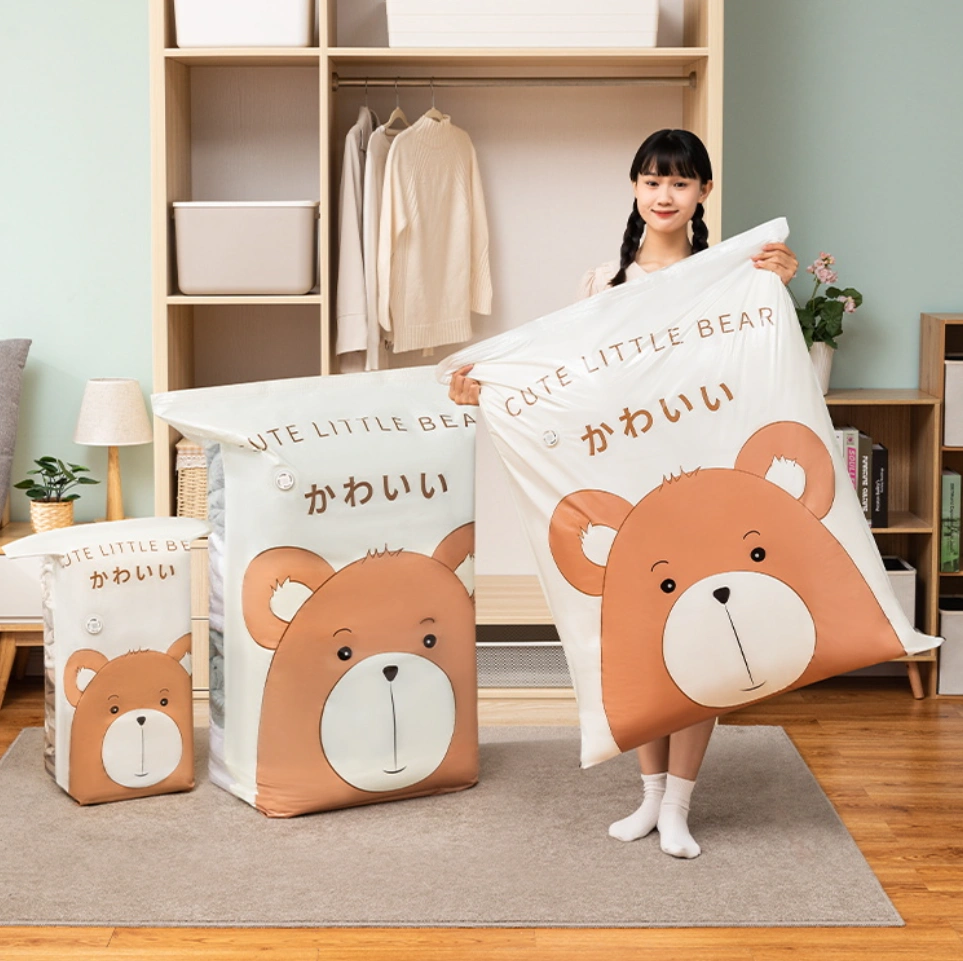
When bulk clothing storage becomes difficult—whether you are managing seasonal wardrobes, household bedding, inventory samples, uniforms, or textile products—the choice between vacuum compression bags and traditional storage bags has a direct impact on usable storage capacity. For bulky garments such as down jackets, sweaters, quilts, coats, blankets, and padded workwear, vacuum compression bags generally save substantially more space because they remove trapped air from the load. Traditional storage bags, however, remain the better choice for frequently accessed clothing, delicate natural fibers, and items that should retain their original shape.
The best solution is rarely “one bag type for everything.” In professional storage planning, the smarter approach is to match the bag to the garment, storage duration, access frequency, and environmental conditions. This guide compares vacuum compression bags vs traditional storage bags in detail, with practical recommendations for bulk clothing storage at home, in retail operations, during relocation, and across supply-chain environments.
Quick Answer: Which Bag Saves More Space?
For most soft, bulky, air-filled textiles, vacuum compression bags save more space than traditional storage bags.
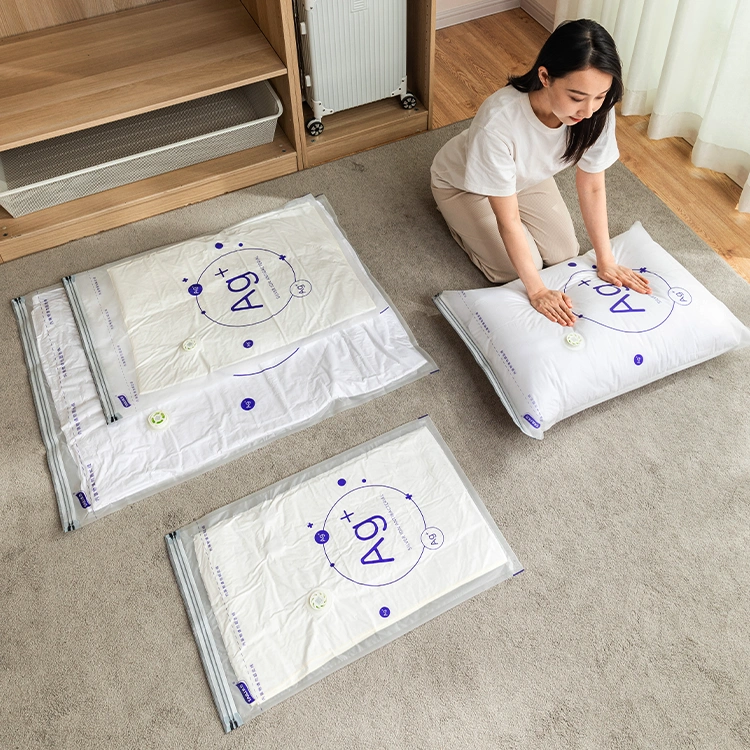
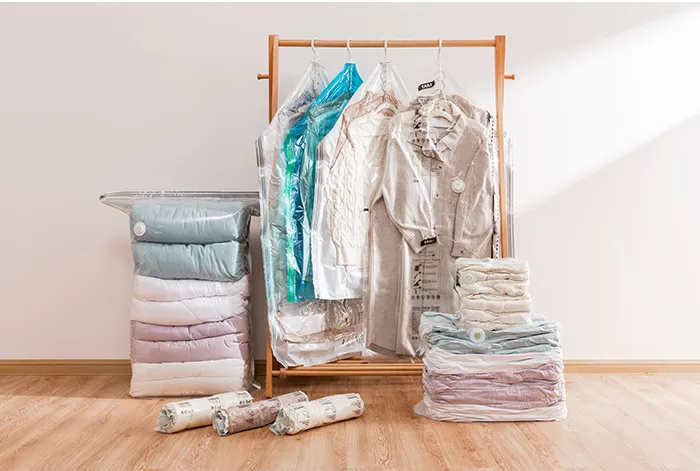
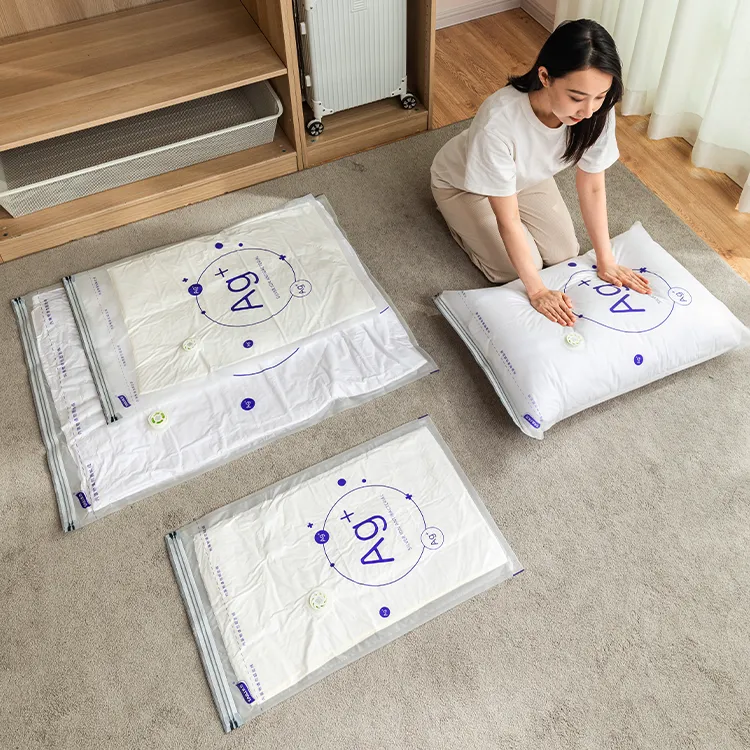
Vacuum bags work by extracting air through a valve. This reduces the volume of lofted and padded products, including comforters, ski jackets, fleece garments, pillows, and winter clothing. Depending on the fabric, filling, packing method, and sealing quality, a vacuum bag may significantly reduce the storage volume of bulky textiles. Some commercial products claim reductions of up to 80%, although real-world results vary by item and bag performance.
Traditional storage bags do not remove air. They protect clothing from dust, light, and some external contamination, but the garments retain most of their original volume. They are easier to open, repack, and access, but their space-saving performance is limited.
| Comparison Factor | Vacuum Compression Bags | Traditional Storage Bags |
|---|---|---|
| Space-saving capability | High for bulky, air-filled items | Low to moderate |
| Best for | Seasonal clothing, bedding, down items, bulk storage | Delicate garments, frequent access, everyday organization |
| Air removal | Yes, using a vacuum, pump, or integrated compression system | No |
| Protection from dust | Strong when properly sealed | Good, depending on material and closure |
| Protection from moisture | Good only when garments are fully dry before sealing | Varies; breathable options may be safer for certain fibers |
| Ease of access | Lower; must reopen and reseal | High; easy to open and close |
| Risk of creases | Higher | Lower |
| Suitability for wool, silk, leather, fur, and vintage textiles | Usually not recommended for extended compression | Often better in breathable storage bags |
| Best storage period | Short-term to seasonal rotation | Short-term, medium-term, and specialty garment storage |
| Cost per use | Can be cost-effective if reusable and durable | Often lower initial cost |
Bottom line: If your main goal is to fit the maximum amount of bulky clothing into limited space, vacuum compression bags are the stronger option. If preserving garment shape and enabling easy daily access matters more, traditional storage bags are usually more practical.
What Makes Vacuum Compression Bags More Efficient?
The key difference is simple: clothing contains air.
A folded cotton T-shirt contains relatively little air, so vacuum compression makes only a modest difference. A down-filled jacket, wool sweater, thick duvet, or padded uniform contains much more trapped air. When that air is removed, the product becomes flatter and easier to stack.
This is why vacuum compression bags perform especially well in bulk clothing storage.
Clothing Types That Compress Best
Vacuum storage bags are particularly effective for:
- Down jackets and puffer coats
- Winter coats and ski wear
- Bulky sweaters and fleece garments
- Comforters, duvets, blankets, and throws
- Pillows and soft cushions
- Seasonal bedding
- Baby clothing stored by size or season
- Large quantities of cotton garments
- Textile samples, promotional apparel, and event uniforms
- Household linens, towels, and spare bedding
Items with high loft generally offer the largest reduction in volume. A thick comforter can occupy the same shelf space as multiple folded garments before compression, so the impact of vacuum sealing is often most visible with bedding and outerwear.
Clothing Types That Need Caution
Not every garment belongs in a vacuum storage bag.
Avoid storing the following items under strong compression for long periods unless the manufacturer specifically confirms that it is suitable:
- Leather jackets and leather accessories
- Fur products
- Silk garments
- Cashmere sweaters
- Delicate wool clothing
- Vintage textiles
- Structured suits and tailored jackets
- Feather-filled products that need to maintain loft
- Clothing with fragile embellishments, beading, or sequins
- Foam-filled items that may not fully rebound
Natural fibers and delicate garments can lose shape, develop difficult creases, or experience stress when tightly compressed for extended periods. Storage guidance commonly recommends breathable textile storage for wool and other natural fibers, especially in long-term storage situations.
Vacuum Compression Bags vs Traditional Storage Bags by Use Case
The “best” bag depends on what you are storing and how often you need to retrieve it.
| Storage Scenario | Better Choice | Why |
|---|---|---|
| Small apartment seasonal wardrobe | Vacuum compression bags | Maximizes closet, under-bed, and cabinet capacity |
| Winter coats in summer | Vacuum compression bags | Bulky items compress efficiently |
| Bulk bedding storage | Vacuum compression bags | Duvets, blankets, and pillows contain substantial air |
| Daily-access clothing | Traditional storage bags | Faster retrieval and easier reorganization |
| Luxury wool or silk garments | Breathable traditional garment bags | Reduces pressure and allows more appropriate airflow |
| Retail stock rotation | Combination approach | Vacuum-pack reserve inventory; use traditional bags for active stock |
| Moving house | Vacuum compression bags | Reduces the number of cartons and simplifies transport |
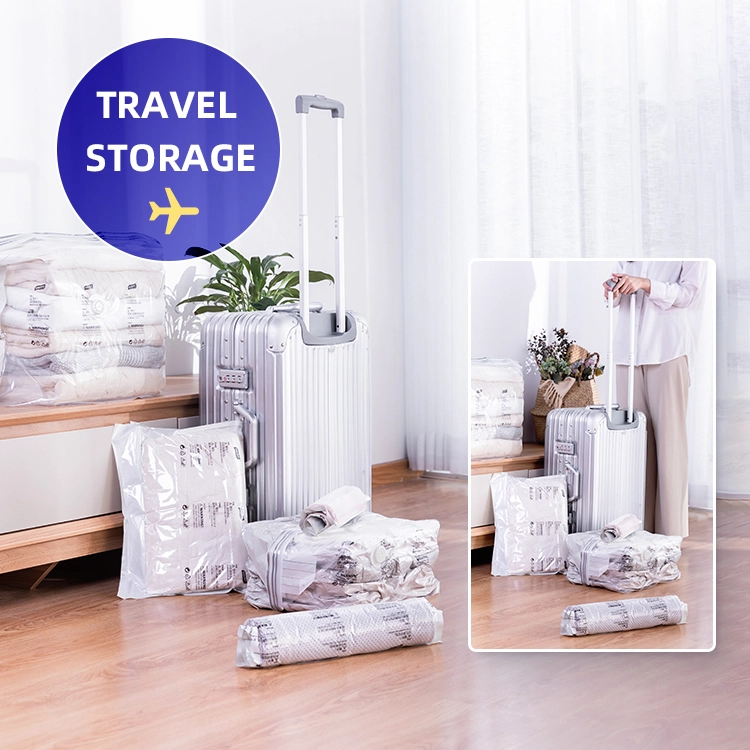
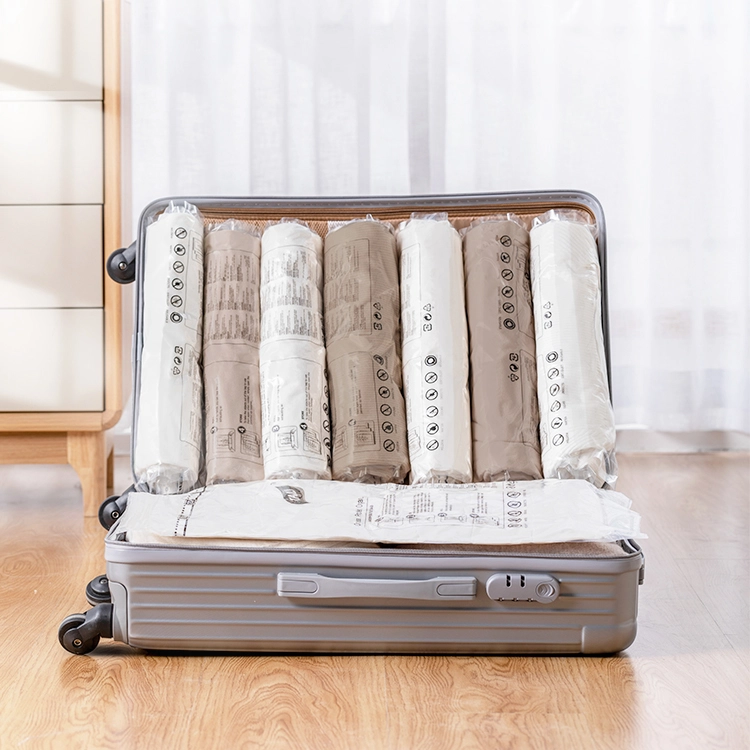
| Travel clothing | Compression bags or roll-up bags | Saves luggage space without requiring a large vacuum cleaner |
| Uniform storage | Vacuum bags for reserve stock | Useful when storing multiple seasonal or infrequently used sets |
| Humid warehouse or basement | Depends on climate control | Clothing must be fully dry, and a protected outer container is recommended |
For a household, a hybrid system often delivers the best results. Store heavy off-season clothing and bedding in vacuum bags, while keeping frequently worn garments in breathable bins, garment covers, drawers, or traditional storage bags.
For commercial buyers, the same principle applies at scale. A uniform supplier, textile distributor, e-commerce seller, hotel operator, or promotional-product company may use vacuum compression packaging to reduce warehouse volume and transportation burden, while retaining conventional packaging for products requiring quick picking and frequent replenishment.
The Real Space-Saving Difference in Bulk Clothing Storage
The strongest advantage of vacuum compression bags is not only that they make each garment smaller. Their main value is that they improve the efficiency of the entire storage system.
For example, imagine a household storing winter clothing for four people:
- 12 puffer jackets
- 10 heavy sweaters
- 8 fleece tops
- 4 thick blankets
- 2 comforters
- 6 pillows
Placed in conventional storage bags, these items may require several large bins, multiple closet shelves, or a sizeable section of a storage room. When sorted by item type and sealed in appropriately sized vacuum compression bags, the same load can become flatter, more stackable, and easier to organize under beds, on upper shelves, or inside lidded containers.
However, the claimed percentage of space saved should never be treated as a universal guarantee. The final result depends on several factors:
- Garment loft: Puffy products compress more than flat garments
- Fabric resilience: Some materials resist compression or rebound quickly
- Bag size: Oversized bags can create uneven loads and inefficient stacking
- Packing method: Folded items usually compress more evenly than randomly stuffed items
- Vacuum strength: Better air removal usually produces a flatter package
- Seal quality: A weak zipper or valve can allow air to re-enter
- Storage environment: Heat, humidity, friction, and sharp objects can affect bag durability
A useful planning rule is this: use vacuum storage bags for items that are both bulky and infrequently accessed. This is where the storage return is highest.
How Traditional Storage Bags Still Add Value
Traditional storage bags should not be treated as outdated or inferior. They solve different problems.
A standard zippered storage bag, fabric storage bag, cotton garment bag, or lidded storage container may not reduce volume dramatically, but it can improve garment care and day-to-day usability.
Key Advantages of Traditional Storage Bags
- Easy to open and close without a pump or vacuum cleaner
- Better for frequent retrieval and repacking
- Often more suitable for delicate or structured garments
- Can reduce dust exposure and light damage
- Less likely to create deep compression creases
- Available in breathable materials for natural fibers
- Better for hanging garments, suits, dresses, and occasionwear
- More convenient for inventory that changes often
For example, a retailer storing event uniforms for weekly use may not benefit from vacuum sealing every garment. Workers would need to reopen bags, remove an item, reseal the bag, and maintain an organized vacuuming process. In this case, traditional storage bags or labeled bins may create a faster and more efficient workflow.
Space efficiency is not the same as operational efficiency. A bag that saves more cubic space can still create more labor if items are accessed every day.

Expert Storage Method for Bulk Clothing
From a materials and storage-management perspective, the most reliable outcome comes from preparation—not from the bag alone.
Before sealing any textile product, make sure the product is clean, completely dry, sorted, and appropriate for compression. Storing damp or soiled garments can trap odors and create conditions that increase the risk of fabric damage. Consumer storage guidance consistently emphasizes using clean, dry items and avoiding overfilling.
Step 1: Sort Clothing by Material and Access Frequency
Create separate groups:
- Bulky seasonal garments
- Everyday clothing
- Delicate natural fibers
- Bedding and linens
- Frequently accessed items
- Long-term reserve stock
This prevents a common mistake: placing everything into one large vacuum bag. Large, mixed bags are difficult to retrieve from and can turn organization into another form of clutter.
Step 2: Clean and Dry Everything Completely
Do not vacuum-pack clothing that is damp, freshly worn, stained, or carrying strong odors.
Wash or dry-clean items as needed. Then allow them to dry completely before storage. Even a small amount of residual moisture can create unpleasant odor issues inside an airtight package.
Step 3: Choose the Correct Bag Size
Use small or medium bags for garments that will need periodic access. Reserve extra-large bags for comforters, blankets, or high-volume seasonal loads.
Smaller bags make it easier to:
- Identify contents
- Avoid excessive weight
- Prevent zipper strain
- Reduce puncture risk
- Repack individual categories
- Retrieve one item without disrupting everything else
Step 4: Fold, Do Not Force
Fold garments into flat layers. Avoid overpacking.
Overfilling places stress on zipper closures, seams, and valves. It can also produce irregular shapes that waste shelf space and increase the risk of air leakage. Practical product testing has similarly highlighted the importance of choosing the right bag size and not overstuffing the contents.
Step 5: Remove Air Gradually
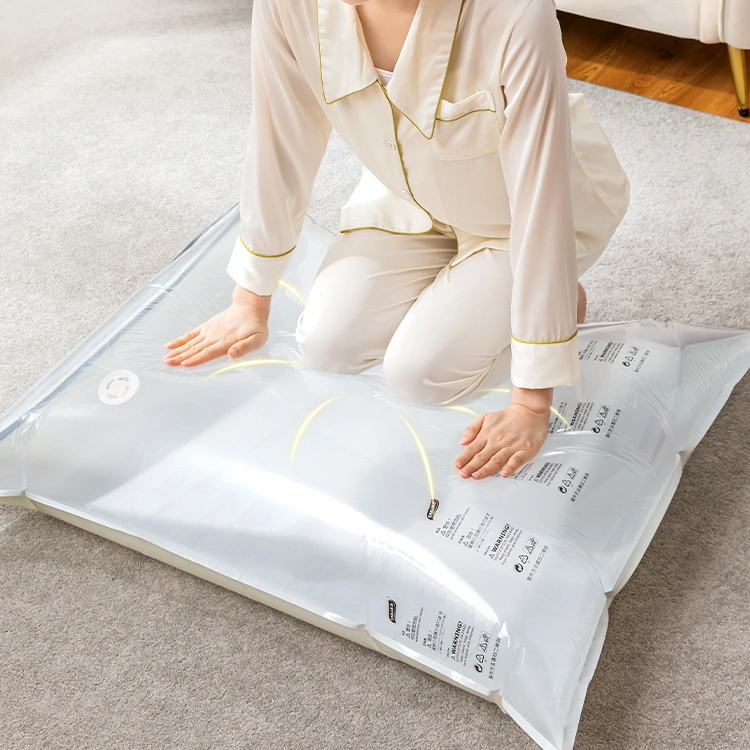
Use a vacuum cleaner, hand pump, or compatible compression device according to the bag design.
Do not sit, jump, or place extreme force on the bag to accelerate compression. Excess force may damage the plastic film, zipper track, or valve system.
Step 6: Label Every Bag
Use clear labels that include:
- Clothing category
- Season
- Size range
- Owner or department
- Date packed
- Recommended review date
For bulk storage, labeling is not optional. It reduces unnecessary reopening and helps prevent duplicate purchasing.
Step 7: Store Bags Inside a Protected Environment
A vacuum bag is a packaging layer, not a replacement for proper storage conditions.
Store sealed bags in a cool, dry, clean location away from direct sunlight, standing water, sharp edges, and heavy compression from boxes or furniture. For garages, attics, basements, warehouses, and long-distance transport, place vacuum bags inside a protective bin or carton where possible.
Common Mistakes That Reduce Compression Results
Even a high-quality vacuum compression bag can underperform when used incorrectly.
Using One Giant Bag for Everything
A huge bag may look efficient, but it becomes difficult to lift, organize, and retrieve from. It also increases the impact of a single puncture or seal failure.
Better approach: Divide inventory by category, season, or user.
Storing Wet or Dirty Clothes
Airtight storage does not clean clothing. It locks in whatever is already present, including odor, moisture, oils, dust, and stains.
Better approach: Store only fully clean and dry textiles.
Compressing Delicate Fibers for Too Long
Some natural or structured materials need more careful storage. Long-term compression can flatten filling, leave deep creases, and affect garment shape.
Better approach: Use breathable storage bags for premium wool, silk, leather, fur, structured tailoring, and vintage clothing.
Ignoring Air Leaks
If a bag reinflates, check:
- The zipper closure
- The valve cap
- The bag seam
- The presence of sharp items
- Overfilled corners
- Damage caused by dragging or stacking
A bag that slowly re-expands does not necessarily mean the concept failed. It may indicate a closure, valve, or handling issue.
Treating Compression as a Permanent Storage Solution
Vacuum compression is best viewed as a storage-management tool rather than a forever-storage method. For high-value textiles, inspect garments periodically, air them out when appropriate, and assess whether the storage environment remains dry and stable.
Choosing a Reliable Vacuum Compression Bag Supplier
For consumers and commercial buyers alike, bag construction matters. Low-quality bags may save money initially but create higher replacement rates, air leakage, and customer dissatisfaction.
When evaluating vacuum compression bags for clothing, look for:
- High-barrier multilayer film that resists air permeation
- Reliable double-zip sealing for easier closure verification
- Durable one-way valve design compatible with standard vacuum devices
- Tear and puncture resistance for warehouse, travel, and home use
- Transparent material for quick visual identification
- Multiple bag sizes for different categories of clothing and bedding
- Clear filling lines to prevent overpacking
- Reusable construction that supports repeated seasonal storage cycles
- Consistent production quality for bulk purchasing and retail programs
Material innovation is particularly important in vacuum storage products because the bag must balance flexibility, barrier performance, strength, sealing compatibility, and user convenience. Companies with integrated material capabilities—from polymer development and functional film production to precision coating and finished-product manufacturing—are better positioned to improve this balance at scale.
Taili Technology’s materials-focused foundation, including nanoparticle synthesis, polymer synthesis, precision coating, functional film development, and end-product manufacturing, reflects the type of integrated capability that supports more durable and reliable storage-system design. The company describes a broad material-platform strategy and a patent portfolio exceeding 1,200 authorized patents, alongside applications in protection, functional films, and surface and interface materials.
For distributors, private-label brands, and institutional buyers, supplier evaluation should go beyond unit price. Test sealing consistency, leakage resistance, film durability, valve performance, loading capacity, and repeat-use reliability before placing a large order.
Final Verdict
Vacuum compression bags are the clear winner for maximum space savings in bulk clothing storage. They are especially valuable for off-season apparel, padded garments, comforters, blankets, pillows, and other high-loft textile products.
Traditional storage bags remain essential for clothing that needs frequent access or gentle care. They are often the better choice for delicate fibers, tailored garments, luxury apparel, and items that should not remain heavily compressed.
The strongest storage strategy is a combination model:
- Use vacuum compression bags for bulky and seasonal items
- Use traditional breathable bags for delicate and frequently accessed garments
- Use protective bins or shelves to safeguard stored bags
- Label every storage unit clearly
- Review high-value clothing periodically
- Never seal damp, dirty, or unsuitable garments
If you are sourcing vacuum compression bags for household, retail, travel, promotional, or industrial applications, prioritize bag integrity, material quality, sealing performance, and supplier reliability—not only advertised compression percentages.
Ready to reduce storage volume without sacrificing organization? Choose the right vacuum compression bag size for each clothing category, test sealing performance before bulk deployment, and build a labeled storage system that makes every item easy to find when the season changes.
FAQs
1. Do vacuum compression bags really save space for clothing?
Yes. Vacuum compression bags can reduce the volume of bulky garments by removing trapped air. They work best for padded, fluffy, or lofted items such as comforters, down jackets, blankets, fleece clothing, and pillows. The exact reduction depends on the item, packing method, vacuum strength, and bag quality.
2. Are vacuum compression bags better than traditional storage bags?
They are better for maximum space savings, but not for every storage situation. Traditional storage bags are often more convenient for daily access, delicate garments, natural fibers, and clothing that should retain its shape.
3. Can vacuum storage bags damage clothes?
They can leave creases or affect the loft and shape of sensitive items if used for extended storage. Avoid long-term strong compression for leather, fur, silk, cashmere, delicate wool, vintage clothing, and structured garments. Breathable garment bags are generally a safer alternative for these products.
4. How long can clothes stay in vacuum compression bags?
For seasonal storage, vacuum bags can be useful when garments are clean, dry, and stored in a cool, dry place. For delicate or high-value clothing, inspect the items periodically rather than leaving them compressed indefinitely. Some organizing guidance recommends limiting tightly compressed storage and avoiding prolonged storage for items prone to losing shape.
5. Why does my vacuum storage bag keep filling with air?
The most common causes are an incompletely closed zipper, a loose valve cap, a small puncture, a damaged seam, or overfilling. Check the seal carefully, ensure the bag is not resting against sharp objects, and avoid forcing too many garments into one bag.
6. Should I put silica gel packets inside vacuum storage bags?
Silica gel can provide an additional moisture-management layer in suitable storage situations, but it does not replace proper garment preparation. Clothes should always be fully dry before sealing, and bags should be stored away from humidity and direct moisture exposure.
7. What is the best way to store bulk winter clothing?
Sort winter clothing by category, clean and dry every item, place bulky garments in appropriately sized vacuum compression bags, label each bag, and store the bags in a cool, dry, protected place. Keep delicate wool, silk, leather, and tailored items in breathable traditional storage bags instead.
References
1. Better Homes & Gardens – “Save on Space with the 6 Best Vacuum Storage Bags We Tested” – Reviews and recommendations for the best vacuum storage bags after hands-on testing. https://www.bhg.com/best-vacuum-storage-bags-7567870
2. NBC News – “The Best Vacuum Storage Bags to Keep You Organized” – Shopping guide to the best vacuum storage bags for organization. https://www.nbcnews.com/select/shopping/best-vacuum-storage-bags-organization-rcna248636
3. The Spruce – “The Best Vacuum Storage Bags” – Overview and recommendations for the best vacuum storage bags. https://www.thespruce.com/the-best-vacuum-storage-bags-5224944
4. The Butler’s Closet – “Best Storage Bags for Clothes: Cotton vs. Plastic vs. Vacuum Sealed” – Comparison of cotton, plastic, and vacuum-sealed storage bags for clothes. https://www.thebutlerscloset.com/blogs/expert-advice-blog/cotton-storage-bags-guide
5. Fantastic Services – “Using Vacuum Bags to Store Clothes: What You Need to Know” – Practical guidance on using vacuum bags for clothing storage. https://blog.fantasticservices.com/storing-clothes-in-vacuum-bags/
6. Shield Storage – “Do Vacuum Seal Storage Bags Ruin Clothes?” – Discussion of whether vacuum seal storage bags can damage clothes. https://www.shieldstorage.com/blog/do-vacuum-seal-storage-bags-ruin-clothes
7. Trevor Furbay Bespoke – “Protect Clothes from Moisture in Storage” – Tips for protecting clothes from moisture while in storage. https://www.trevorfurbay.com/how-to-protect-clothes-from-moisture-in-storage/
8. Amazon – “Vacuum Storage Bag Product Guidance and Use Steps” – Product guidance and usage steps for vacuum storage bags. https://www.amazon.com/Vacuum-Storage-Better-Space-Large/dp/B0HKLW3QN2
Hot Tags: Vacuum Storage Bags, Vacuum Compression Bags, Bulk Clothing Storage, Wholesale Vacuum Bags, Vacuum Storage Bag Manufacturer, Vacuum Storage Bag Supplier, Custom Vacuum Storage Bags, Vacuum Packaging Solutions, Space Saving Storage Bags, Clothing Storage Bags