Content Menu
● What Are Travel Compression Bags?
● Do Compression Bags Save Space in Luggage?
● Compression Bags Reduce Volume, Not Weight
● When Compression Bags Work Best
>> Winter and Cold-Weather Travel
>> Long Trips With Laundry Stops
>> Family, Camping, and Road Travel
● When You Should Not Use Compression Bags
● How to Use Compression Bags for Travel
>> Step 1: Sort Clothing by Material and Need
>> Step 2: Fold or Roll Items Smoothly
>> Step 3: Fill Only to the Marked Line
>> Step 4: Seal Carefully and Remove Air
>> Step 5: Perform a Leak Check
● Vacuum Bags vs. Compression Cubes
● Can You Bring Compression Bags on a Plane?
● Choosing a Reliable Travel Compression Bag
● Final Verdict: Are Compression Bags Worth It?
● FAQs
>> 1. Do compression bags really save space in luggage?
>> 2. Do vacuum compression bags make luggage lighter?
>> 3. Are compression bags good for carry-on luggage?
>> 4. Will compression bags wrinkle my clothes?
>> 5. Can I use compression bags for puffer jackets?
>> 6. Do I need a vacuum cleaner for travel compression bags?
>> 7. How do I stop a compression bag from leaking?
>> 8. Are compression bags better than packing cubes?
Yes, compression bags really work for travel when your main problem is limited suitcase space. They remove trapped air from bulky clothing, making soft items flatter and easier to fit into a carry-on, checked suitcase, backpack, or storage case. However, they do not reduce the actual weight of your clothes, and they are not the best choice for every garment or every trip.
For travelers carrying puffer jackets, sweaters, ski layers, baby clothing, towels, or other high-volume soft goods, travel compression bags can make packing far more manageable. The key is using them as a controlled packing tool—not as permission to overpack. A well-designed vacuum compression bag can help create order, protect clothing from moisture, and free valuable room for the items that cannot be compressed.
At Taili Technology, material innovation is central to how products are designed. With expertise spanning nanomaterial modification, polymer synthesis, and precision coating, Taili develops functional material solutions built around protection, reliability, and practical performance. That mindset matters in a travel compression bag: the bag must balance strong compression with dependable sealing, puncture resistance, reusability, and easy handling on the road.
What Are Travel Compression Bags?
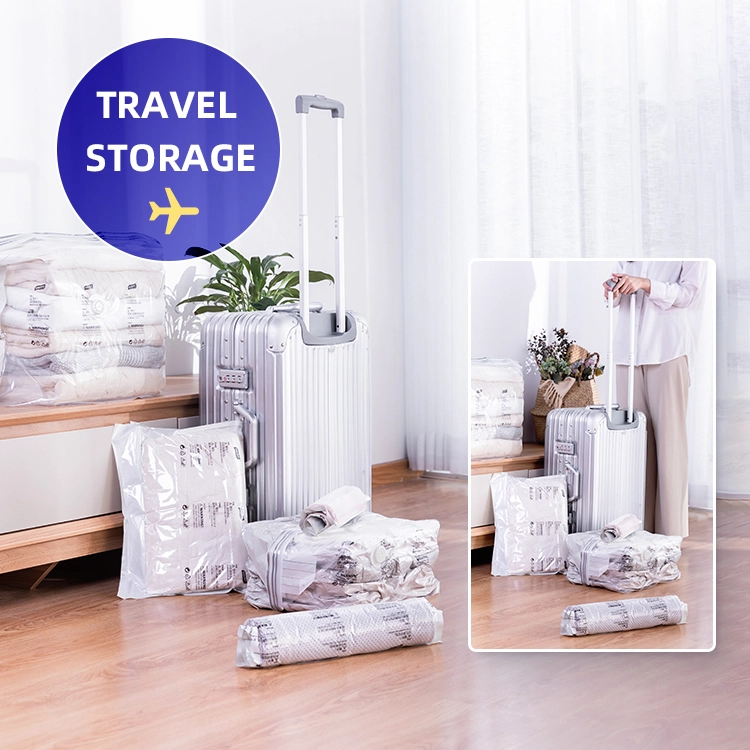
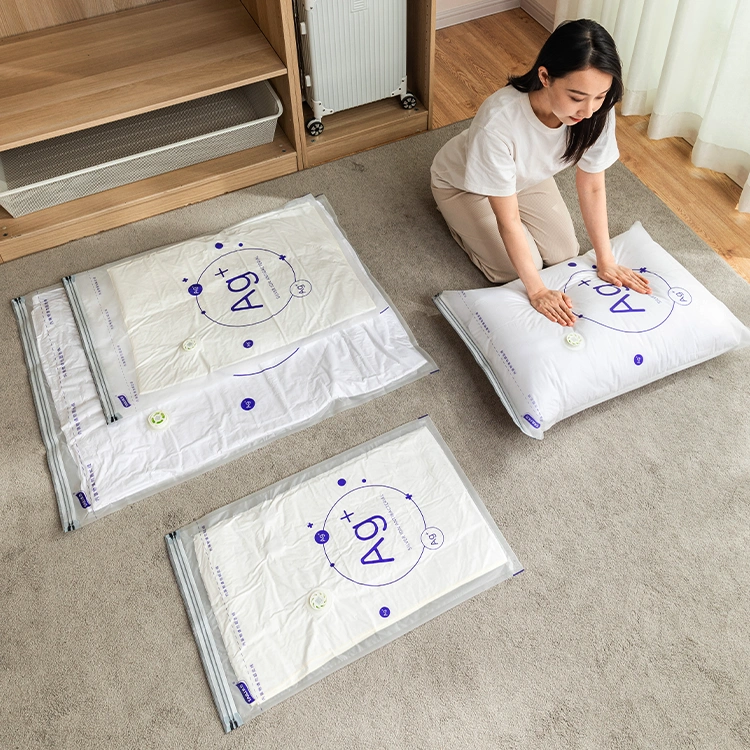
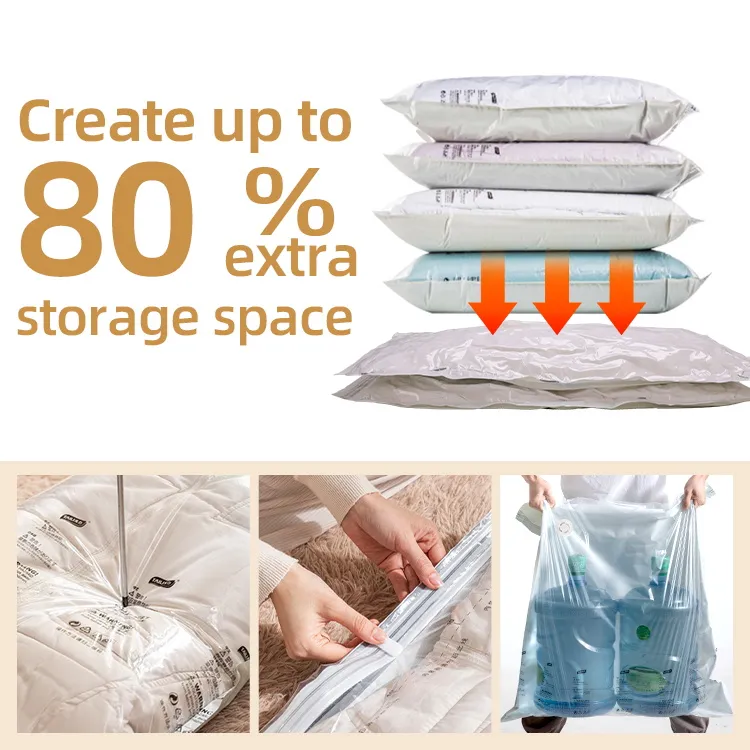
Travel compression bags are sealed bags that reduce the volume of clothing and other soft belongings by pushing or vacuuming air out. They are commonly used for packing bulky garments into less space.
There are three main types:
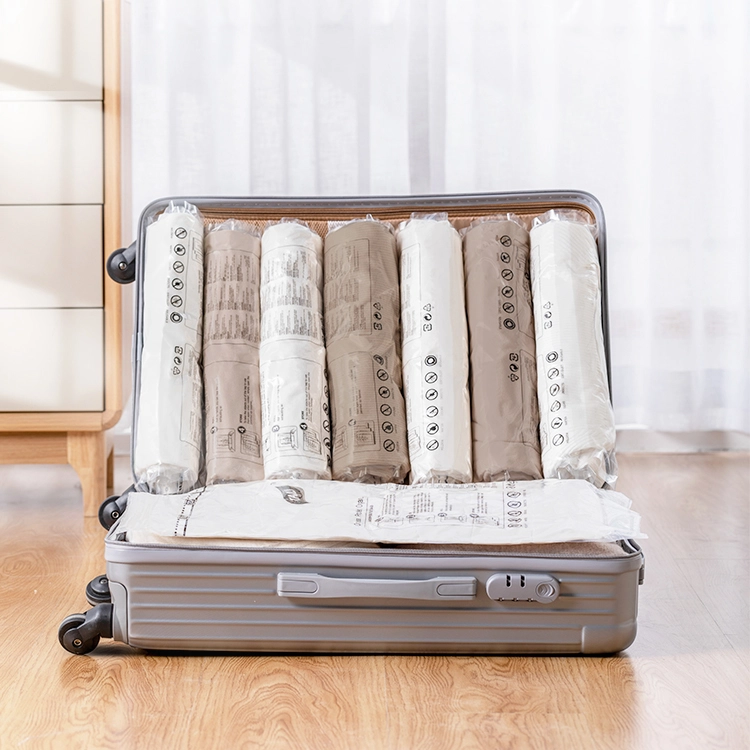
- Roll-up compression bags, which release air when you roll the filled bag from one end to the other
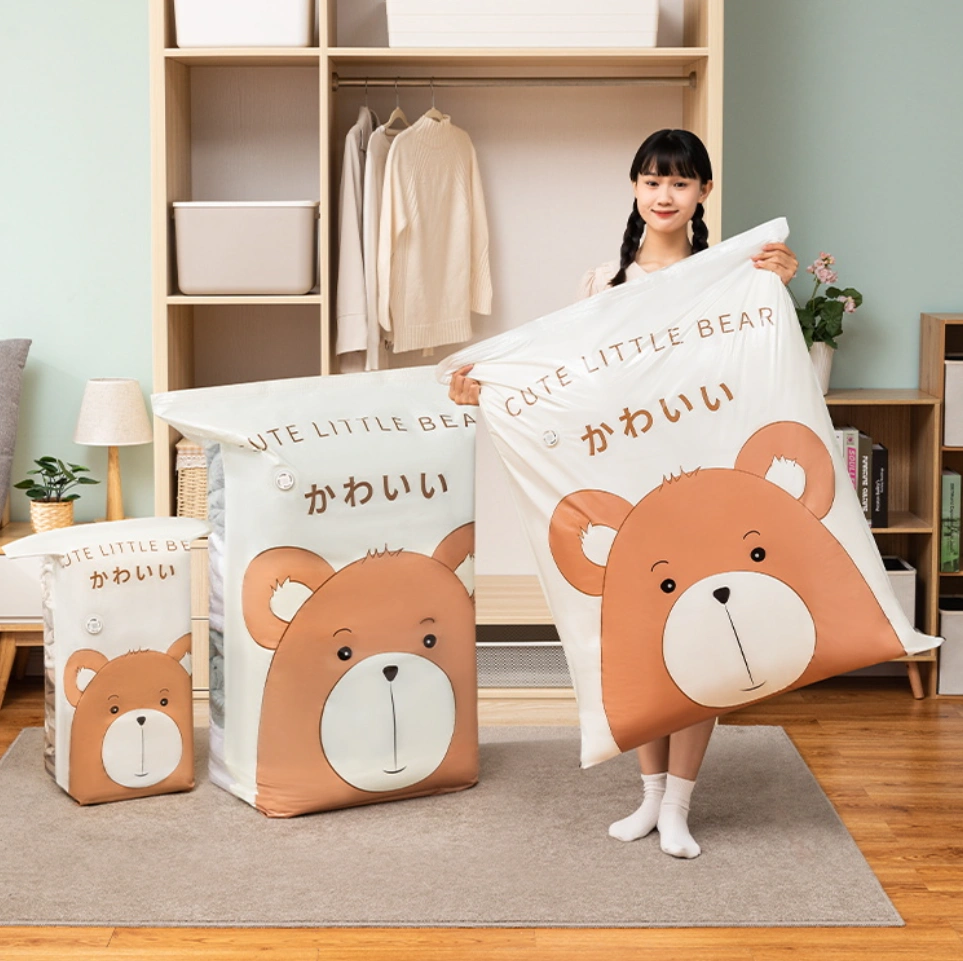
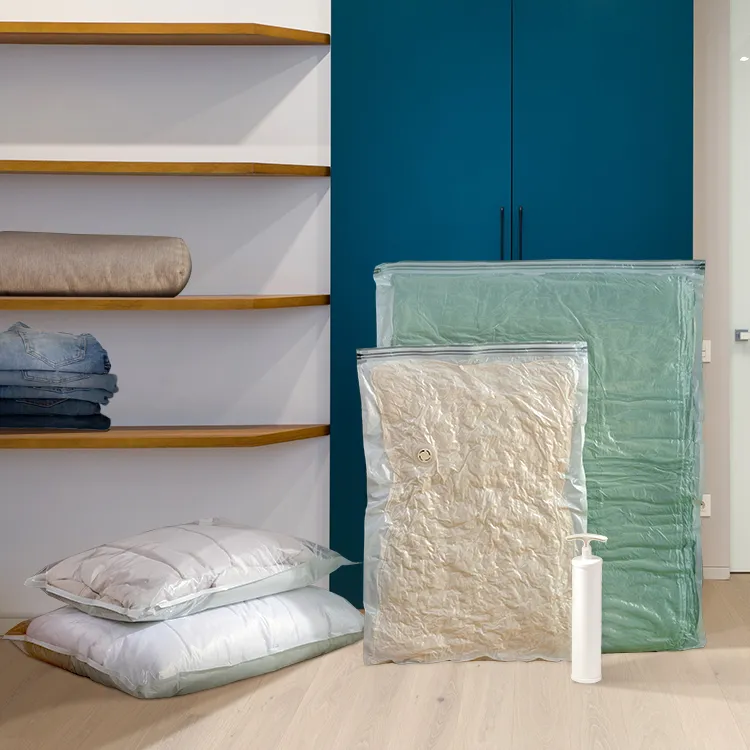
- Vacuum compression bags, which use a vacuum cleaner, hand pump, or portable electric pump
- Compression packing cubes, which use zippers to tighten clothing without removing all the air
Each option has a different purpose. Roll-up bags are convenient for travelers who do not want to carry a pump. Vacuum bags offer more aggressive compression for bulky clothing. Compression cubes are often better for travelers who prioritize organization and fewer wrinkles.
The practical principle is simple: fabrics such as fleece, knitwear, cotton, and synthetic insulation contain a large amount of air. Removing part of that air reduces the item’s packed volume. The clothes do not disappear, but the empty space inside and between layers becomes much smaller.
Do Compression Bags Save Space in Luggage?
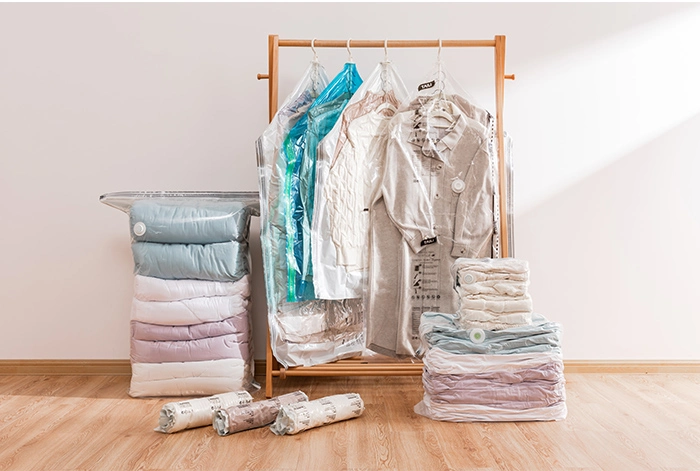
Yes—especially for bulky, soft, and low-density items. Compression bags can significantly reduce the space taken up by clothing that traps air. Think winter jackets, hoodies, sweaters, thermal layers, scarves, socks, towels, and children’s clothing.
Independent travel-product testing has found that vacuum bags can substantially shrink packed soft goods. However, the real-world result depends on the fabric, the quality of the seal, the bag size, and how evenly the items are arranged before compression.
A lightweight T-shirt may become slightly flatter, but it will not create dramatic extra space. A thick fleece jacket or puffer vest, on the other hand, can occupy far less room after air is removed.
| Item Type | Compression Result | Best Packing Method |
|---|---|---|
| T-shirts and underwear | Moderate | Roll-up bag or packing cube |
| Sweaters and hoodies | High | Vacuum or roll-up bag |
| Puffer jackets | High, but use care | Vacuum bag for short-term travel |
| Towels | High | Roll-up or vacuum bag |
| Jeans and heavy trousers | Low to moderate | Compression cube or folding |
| Formal shirts and dresses | Not recommended | Garment folder or hanging bag |
| Leather, suede, embellished clothing | Avoid | Protective garment bag |
| Down-filled items | Use cautiously | Avoid extended compression |
The biggest benefit is not simply that you can carry more. It is that you can create a more efficient suitcase layout. Once soft clothing is compressed into flatter packages, you can place shoes, chargers, toiletry bags, and other rigid objects around them more easily.
Compression Bags Reduce Volume, Not Weight
This is the most important rule to remember: compression bags do not make luggage lighter.
If your clothing weighs 10 kg before compression, it still weighs 10 kg after compression. The bag simply takes up less space. That means compression can create a new problem: you may be able to fit so much into one suitcase that you exceed your airline’s baggage allowance.
This matters particularly for:
- Checked baggage with strict weight limits
- International flights with low carry-on allowances
- Train trips where you need to lift your own luggage
- Backpacking trips where comfort matters more than capacity
- Family travel, where one bag can become too heavy to manage safely
Before closing your suitcase, weigh it. Do not rely on the fact that it looks compact. A small, dense suitcase can be surprisingly heavy.
A practical approach is to set a personal weight target before packing. For example, if your airline allows 23 kg checked baggage, consider stopping at 20 or 21 kg. This leaves room for small travel purchases and helps avoid last-minute repacking at the airport.
When Compression Bags Work Best
Compression bags are most valuable when space—not garment appearance—is your main concern.
Winter and Cold-Weather Travel
Winter travel is one of the strongest use cases. Cold-weather clothing is bulky because it contains insulation and air. A few sweaters, a fleece, gloves, a scarf, and a padded jacket can fill a carry-on before you add shoes or toiletries.
Use compression bags for:
- Base layers
- Sweaters
- Hoodies
- Fleece jackets
- Casual knitwear
- Spare pajamas
- Ski clothing
- Children’s winter garments
For a short city break, consider wearing your heaviest coat and shoes during transit. Pack the rest in a compression bag. This strategy reduces suitcase volume without forcing you to sacrifice warm layers.
Long Trips With Laundry Stops
Compression bags are useful on long trips when you need to carry several changes of clothing but will wash items during the journey. You can separate clean clothes from worn laundry and keep each group more contained.
For example, pack clean clothing in one or two bags, then use an empty bag for dry dirty clothes later in the trip. This does not replace a laundry bag for wet or heavily soiled items, but it can improve suitcase organization.
Family, Camping, and Road Travel
Families often carry extra clothing, towels, blankets, rainwear, and spare outfits. Camping and road trips can also involve sleeping bags, cushion covers, jackets, and weather-dependent gear.
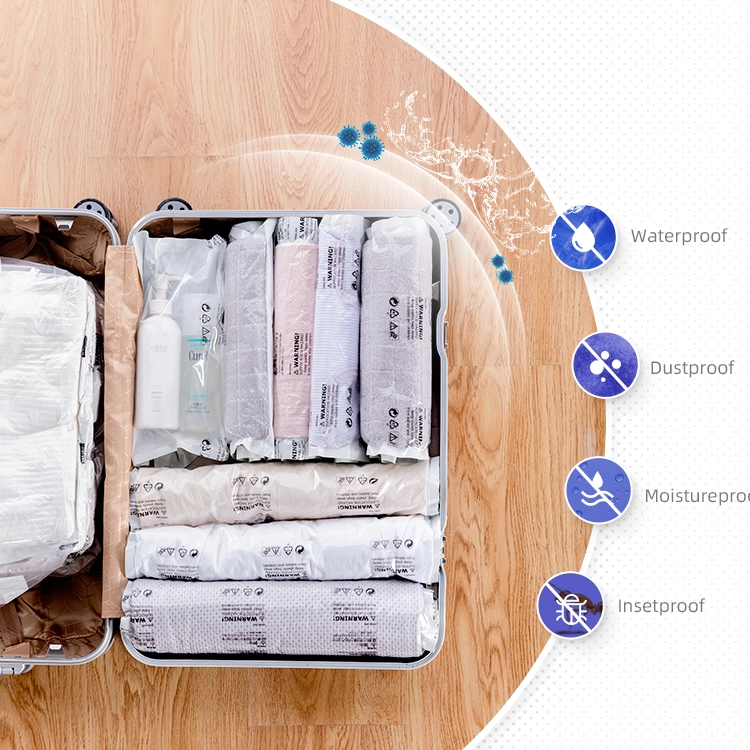
In these cases, larger compression bags can be helpful because the traveler is not constrained by a single small carry-on. They also provide an extra protective barrier against dust, spills, or damp conditions when packed correctly.
When You Should Not Use Compression Bags
Compression is useful, but it is not universal. The wrong clothing or packing method can lead to wrinkles, damaged shape, moisture issues, or frustrating repacking.
Avoid or limit compression for the following items:
- Formalwear: Suits, blazers, silk shirts, dresses, and structured garments can crease badly
- Leather and suede: These materials may develop permanent folds or moisture-related damage
- Delicate embellishments: Beads, sequins, embroidery, and fragile decorations can be crushed
- High-loft down items: Heavy compression can reduce loft temporarily and may affect performance if done repeatedly or for extended periods
- Wet or damp clothing: Sealing in moisture can create odor and mildew risks
- Items needed during security screening: Keep travel documents, electronics, medicine, liquids, and essentials outside compressed compartments
For business travel, a hybrid system works better. Use a compression bag for casual clothes, underwear, workout gear, and outer layers. Use a garment folder or packing cube for shirts, trousers, and presentation clothing.
How to Use Compression Bags for Travel
Using a compression bag correctly makes a major difference. Overfilling the bag, closing it carelessly, or packing uneven lumps can reduce performance and strain the seal.
Step 1: Sort Clothing by Material and Need
Separate your items into three groups:
- Highly compressible items: Sweaters, hoodies, T-shirts, fleece, pajamas, towels, and soft layers
- Low-compression items: Jeans, shoes, toiletries, cables, and rigid accessories
- Do-not-compress items: Formalwear, fragile garments, electronics, liquids, and important documents
This prevents you from treating every object as if it belongs in the same system.
Step 2: Fold or Roll Items Smoothly
Lay each item flat and smooth major wrinkles before packing. You can fold garments into flat rectangles or roll them loosely.
Rolling is often useful for casual clothing because it creates a more even shape. However, do not roll too tightly if the fabric wrinkles easily. The goal is a uniform bag thickness, not maximum pressure at every point.
Step 3: Fill Only to the Marked Line
Most reusable compression bags have a recommended fill line. Respect it.
Overfilling creates stress on the zipper and can prevent a complete seal. It can also make the final bag rigid and difficult to place inside your suitcase.
Leave some room around the zipper area so that fabric does not get caught in the closure.
Step 4: Seal Carefully and Remove Air
Run the slider across the zipper slowly. Then check the entire seal with your fingers. If the bag uses a pump, attach it securely to the valve and remove air gradually.
For roll-up travel compression bags:
- Close the zipper fully
- Place the bag on a flat surface
- Roll from the sealed end toward the valve or vent
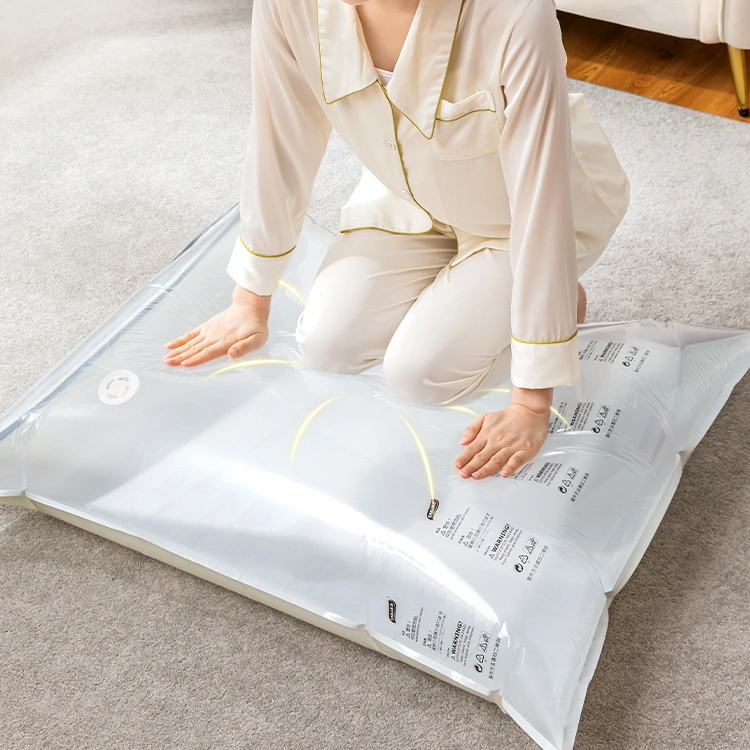
- Press evenly to move air out
- Stop before the bag becomes overly strained
Do not force air out by sitting, standing, or jumping on the bag. That can damage the bag, crush clothing, and create uneven pressure points.
Step 5: Perform a Leak Check
Wait a few minutes after compression. If the bag visibly expands, inspect the zipper, valve, and bag surface.
Common causes of leaking include:
- Hair, lint, or fabric trapped in the zipper
- An incompletely closed double seal
- A damaged valve cap
- A puncture from a sharp zipper, buckle, shoe edge, or accessory
- Overfilling that puts too much pressure on the closure
For better reliability, keep hard objects away from the bag surface. Pack shoes in separate shoe bags and place them beside—not directly on top of—the compressed clothing.
Vacuum Bags vs. Compression Cubes
Both products can improve packing, but they solve different problems.
| Feature | Vacuum Compression Bags | Compression Packing Cubes |
|---|---|---|
| Space reduction | Usually higher | Moderate |
| Organization | Basic unless using multiple bags | Excellent |
| Wrinkle control | Lower | Better |
| Pump needed | Sometimes | No |
| Best for bulky clothing | Excellent | Good |
| Best for business clothing | Limited | Better |
| Repacking during travel | Can be inconvenient | Easy |
| Moisture barrier | Often strong | Usually limited |
If you are traveling with winter clothes, bulky textiles, or family gear, vacuum compression bags are often the better tool. If you are packing for a short city break, business trip, or multi-stop itinerary, compression cubes may offer a better balance of organization and garment care.
Many experienced travelers use both. They place bulky layers in one compression bag and organize daily clothing, underwear, and accessories in packing cubes.
Can You Bring Compression Bags on a Plane?
In general, compression bags can be packed in both carry-on and checked luggage. However, the bag itself does not override airline baggage limits or security procedures.
Your luggage must still meet the airline’s size and weight rules. Security officers may also ask you to open a compressed bag if they need to inspect its contents. That is why it is smart to keep a small amount of repacking space available in your suitcase.
For smoother travel:
- Keep electronics easy to access
- Store liquids separately according to airport security requirements
- Avoid compressing medication, travel documents, and valuables
- Carry a portable pump if your bag requires one
- Choose roll-up bags if you need easy repacking without equipment
- Do not pack your suitcase to the point where reopening one bag makes everything impossible to close again
The best travel compression system is one you can manage at both ends of the journey.
Choosing a Reliable Travel Compression Bag
A travel bag is repeatedly folded, pressed, packed, unpacked, and exposed to changing temperatures. For that reason, the quality of the material and sealing system matters more than an aggressive space-saving claim.
Look for these features:
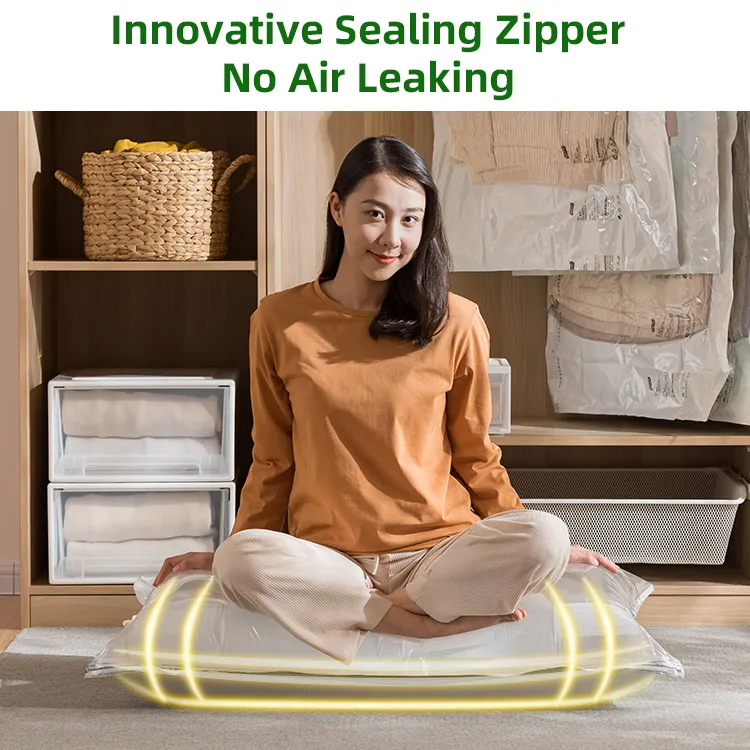
- Multi-layer barrier film to help resist air leakage and moisture intrusion
- Double-zip sealing for more dependable closure
- Durable valve construction for vacuum-compatible bags
- Tear-resistant material that withstands repeated handling
- Reusable design to reduce waste and replacement cost
- Clear fill line to avoid overpacking
- Portable compression option, such as a hand pump, compact electric pump, or roll-up valve
- Appropriate sizing for your suitcase rather than oversized bags that become hard to fit
Taili Technology’s material-science foundation is especially relevant here. Functional films, high-performance polymers, and surface-interface engineering all influence the real performance of protective, airtight products. For travelers, this translates into a simple expectation: a compression bag should compress reliably, maintain its seal, resist damage, and remain practical after repeated use.
A Smarter Packing Strategy
The most efficient travelers do not use compression bags to pack everything. They use them selectively.
Try this approach for a one-week trip:
- Place underwear, socks, pajamas, and casual tops in one small compression bag
- Use a second bag for sweaters, a fleece, or a lightweight jacket
- Keep one outfit outside the bags for arrival or flight delays
- Store shoes in individual shoe bags
- Use a packing cube for wrinkle-prone items
- Keep toiletries, chargers, electronics, medication, and documents accessible
- Weigh your luggage before leaving home
This system gives you flexibility. You gain space without turning your suitcase into a compressed block that is difficult to search, unpack, or repack.
Final Verdict: Are Compression Bags Worth It?
Compression bags are worth it for travel when used for the right items. They are highly effective for reducing the volume of bulky soft goods, protecting packed clothing, and making better use of limited luggage space.
They are not a solution for airline weight limits, wrinkle-free packing, or poor packing habits. Use them for thick casual clothes, outerwear, towels, and family travel gear. Avoid them for delicate, structured, or moisture-sensitive items.
For the best result, combine high-quality compression bags with sensible packing limits, a luggage scale, and a clear plan for what you will need during the journey. When designed with dependable material performance and easy handling in mind, travel compression bags can turn a crowded suitcase into a more organized and travel-ready system.
Ready to pack more efficiently? Choose reusable compression bags that match your trip length, luggage size, and clothing type—then test your packing setup at home before departure. A short trial pack can reveal whether you need more compression, better organization, or simply fewer items.
FAQs
1. Do compression bags really save space in luggage?
Yes. They save space by removing air from soft, bulky items such as sweaters, jackets, fleece, towels, and casual clothing. The amount of space saved depends on the fabric, bag quality, and packing method.
2. Do vacuum compression bags make luggage lighter?
No. Vacuum compression bags reduce volume, not weight. Your luggage can actually become heavier if the extra room encourages you to add more items.
3. Are compression bags good for carry-on luggage?
They can be useful for carry-on luggage, especially when packing bulky clothing. However, your carry-on must still meet the airline’s size and weight limits, and you may need to open the bag during security screening.
4. Will compression bags wrinkle my clothes?
They can. Vacuum compression puts pressure on fabric and may cause wrinkles, particularly in linen, cotton shirts, formalwear, and structured garments. Use compression bags mainly for casual clothing and soft layers.
5. Can I use compression bags for puffer jackets?
Yes, for short-term travel. Puffer jackets can compress very effectively, but avoid keeping down-filled items compressed for long periods. Unpack and allow them to regain loft after arrival.
6. Do I need a vacuum cleaner for travel compression bags?
Not always. Roll-up bags remove air by hand, while other bags work with a hand pump or small portable electric pump. Choose the method that you can easily use at both departure and return.
7. How do I stop a compression bag from leaking?
Do not overfill it. Keep the zipper free from lint and fabric, close the seal fully, protect the bag from sharp objects, and check that the valve cap is secure. If the bag expands after sealing, inspect the closure and surface for leaks.
8. Are compression bags better than packing cubes?
Neither is always better. Compression bags offer stronger volume reduction for bulky items. Packing cubes provide better organization and usually cause fewer wrinkles. A combined system is often the most practical choice.
References
1. Travel + Leisure – “The 5 Best Travel Vacuum Bags of 2023” – Product testing, compression methods, luggage-weight guidance, and garment-care considerations. https://www.travelandleisure.com/travel-vacuum-bags-6753391
2. Transportation Security Administration – “What Can I Bring?” – Official U.S. travel-security guidance and screening information. https://www.tsa.gov/travel/security-screening/whatcanibring/all
3. Condé Nast Traveller – “The Clever Luggage Trick That Helps You Swerve Checked Baggage Fees” – Practical comparison of compression bags and packing cubes, including wrinkle and organization considerations. https://www.cntraveller.com/article/the-best-packing-cubes
4. Consumer Reports – “We Tried It: Vacpack Vacuum-Sealed Carry-On Backpack” – Independent review of vacuum-assisted carry-on packing and capacity trade-offs. https://www.consumerreports.org/money/luggage/vacpack-vacuum-sealed-carry-on-backpack-review-a2700814197/
5. Taili Store – “Vacuum Storage Bags” – Taili product category information on airtight storage and compression applications. https://tailistore.com/collections/vacuum-storage-bags
6. Travel + Leisure – “The 6 Best Vacuum Bags for Travel, Tested and Reviewed” – Guidance on portable pumps, roll-up designs, weight limitations, and suitability for travel. https://www.travelandleisure.com/travel-vacuum-bags-6753391
Hot Tags: Travel Compression Bags, Vacuum Storage Bags, Vacuum Bags For Travel, Travel Vacuum Bags, Compression Packing Cubes, Space Saving Bags, Vacuum Seal Bags, Luggage Compression Bags, Reusable Vacuum Bags, Travel Packing Solutions